Chicago officials talk landmark status with Bryn Mawr Historic District property owners
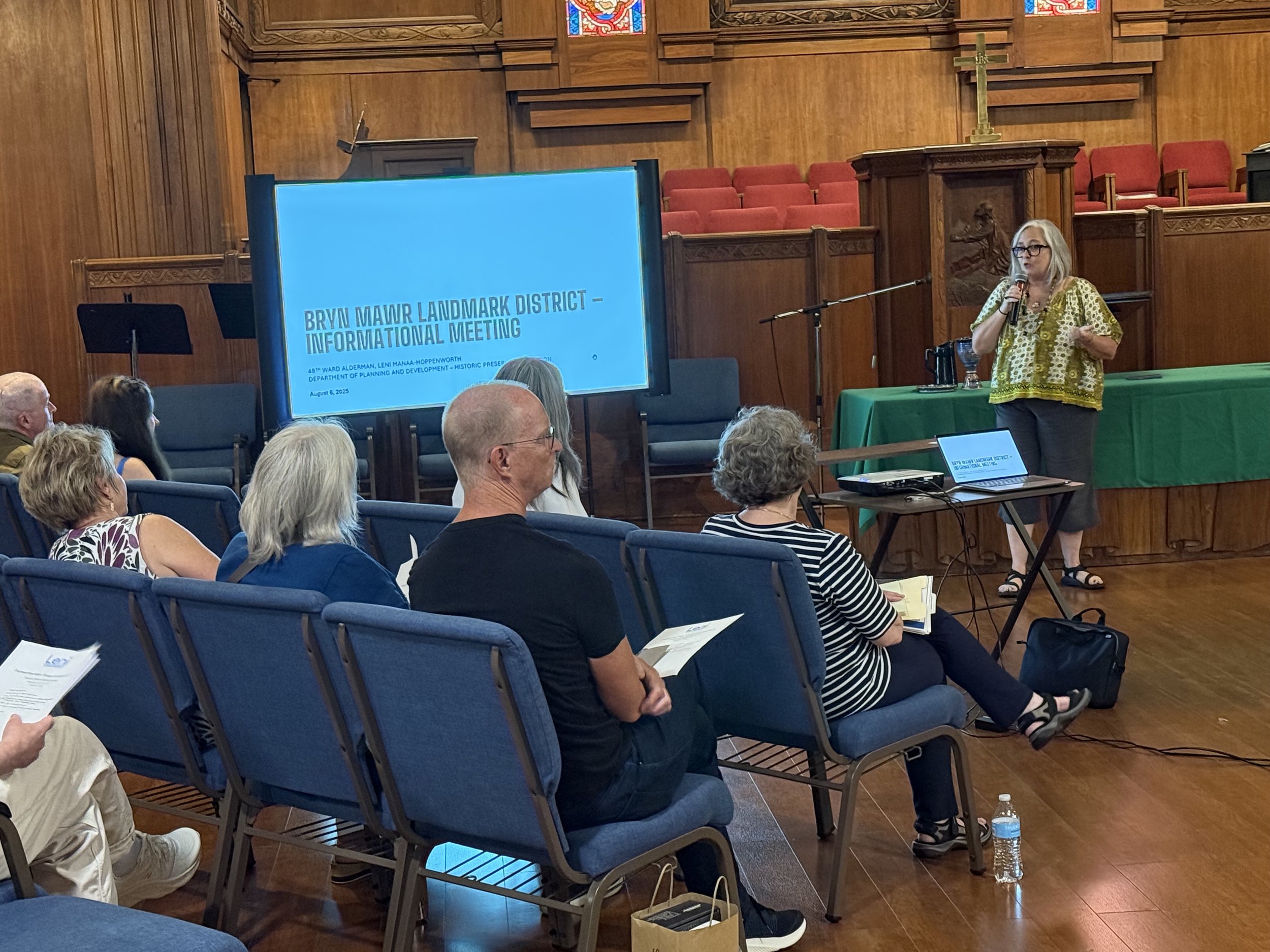
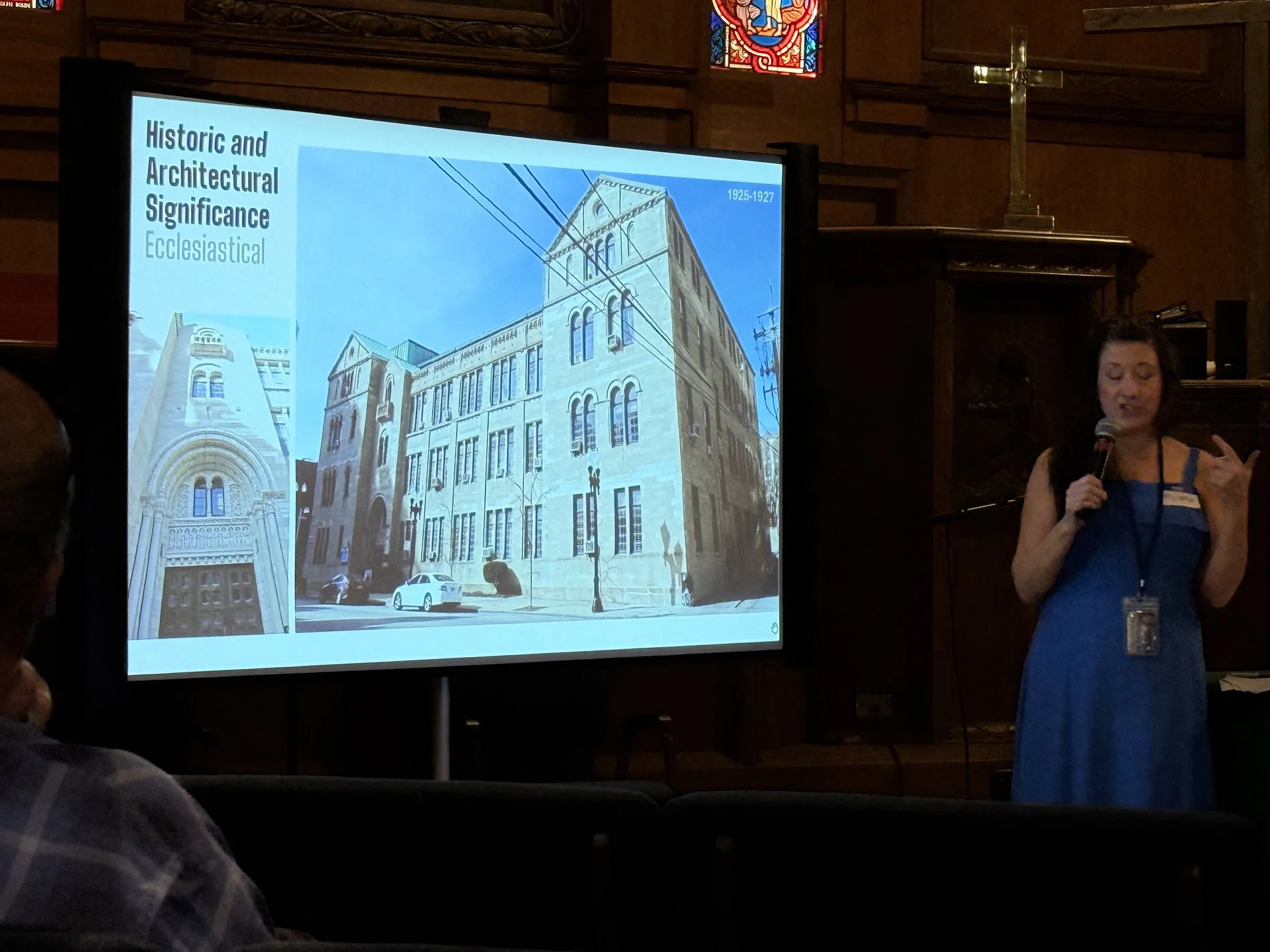
Pastor Kristin Hutson welcomes participants to the church for this town hall meeting. Photo: Gerald Farinas.
Edgewater neighbors gathered this evening for a community meeting on the proposed landmarking of the Bryn Mawr Historic District—a stretch between Sheridan Road and Broadway.
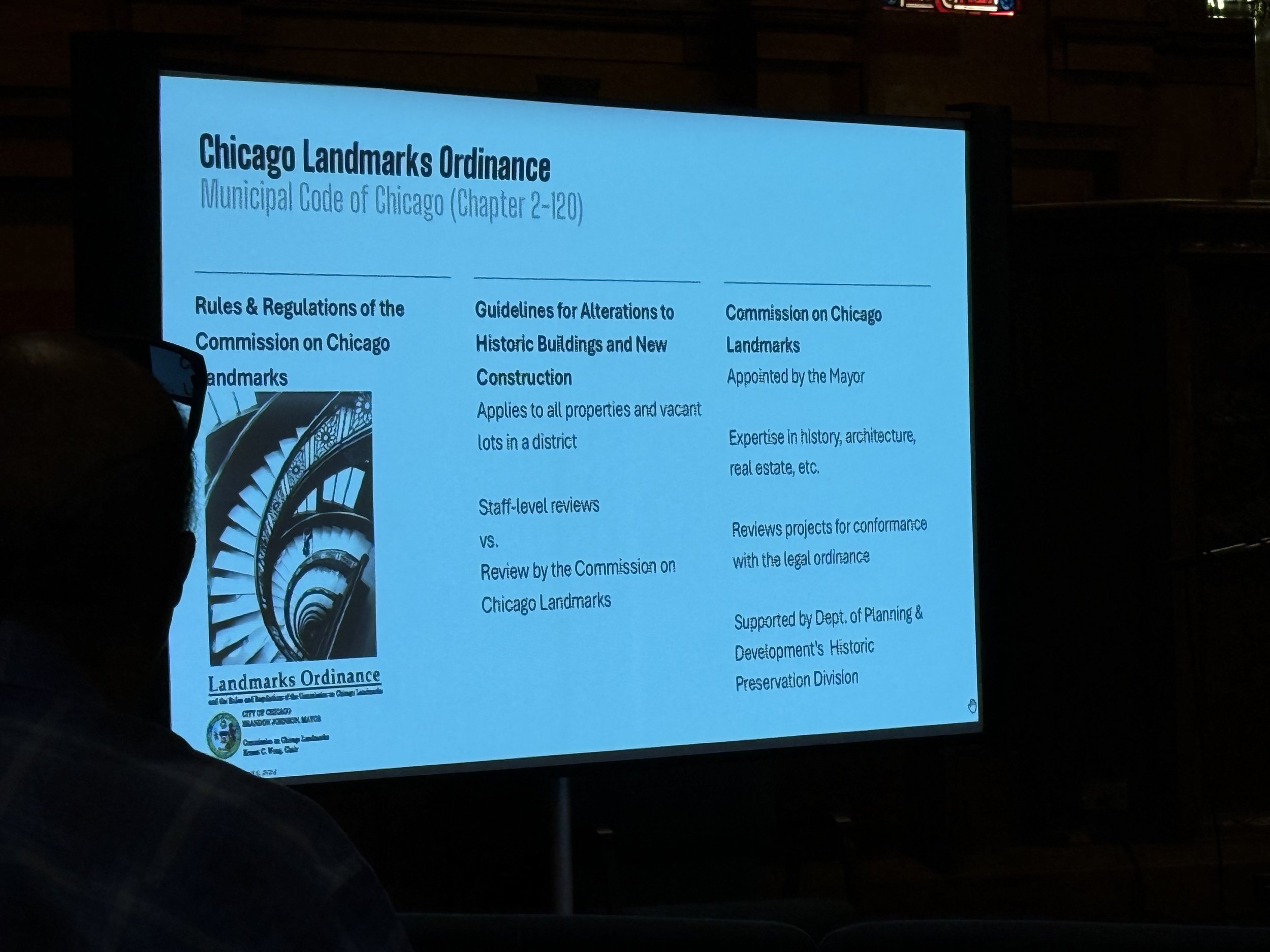
The meeting, led by officials from the city’s landmarks office, included Director of Planning and Infrastructure Agnes Chan and 48th Ward Alderwoman Leni Manaa-Hoppenworth.
Among the properties included in the proposed district is Edgewater Presbyterian Church, a French Romanesque building whose representation at the meeting included Pastor Kristin Hutson, Elders Katherine Anderson and Gerald Farinas, and Facility Manager Dwight Elmore.
City officials outlined the cultural and architectural significance of the Bryn Mawr corridor, highlighting its rich variety of architectural styles.
The district includes late 19th-century Victorian homes, early 20th-century Tudor Revival and Venetian Gothic structures, and a series of 1920s high-rises that once operated as hotels.
These architectural gems, city officials said, represent the unique development story of Edgewater and deserve long-term protection.
If approved, the historic landmark designation would bring with it both benefits and constraints.
On one hand, buildings within the district would be shielded from demolition and major exterior alterations unless in keeping with the character of the surrounding architecture.
New developments would be required to reflect existing styles.
However, the designation would also pose challenges. Edgewater Presbyterian Church, for example, may face difficulties replacing its aging windows, as the original designs are no longer manufactured.
A planned project to explore solar panels for the church may also be impacted by preservation rules, especially given the structure’s sloped roofs and the visibility of any rooftop additions.
Questions from local property owners focused on the financial implications of the designation, including the impact on resale values and the potential costs of repairs or renovations under landmark regulations.
Some inquired about tax incentives or grants for owners in landmark districts.
Others asked about the possibility of opting out, though city officials discouraged that approach, emphasizing the importance of preserving the district as a whole.
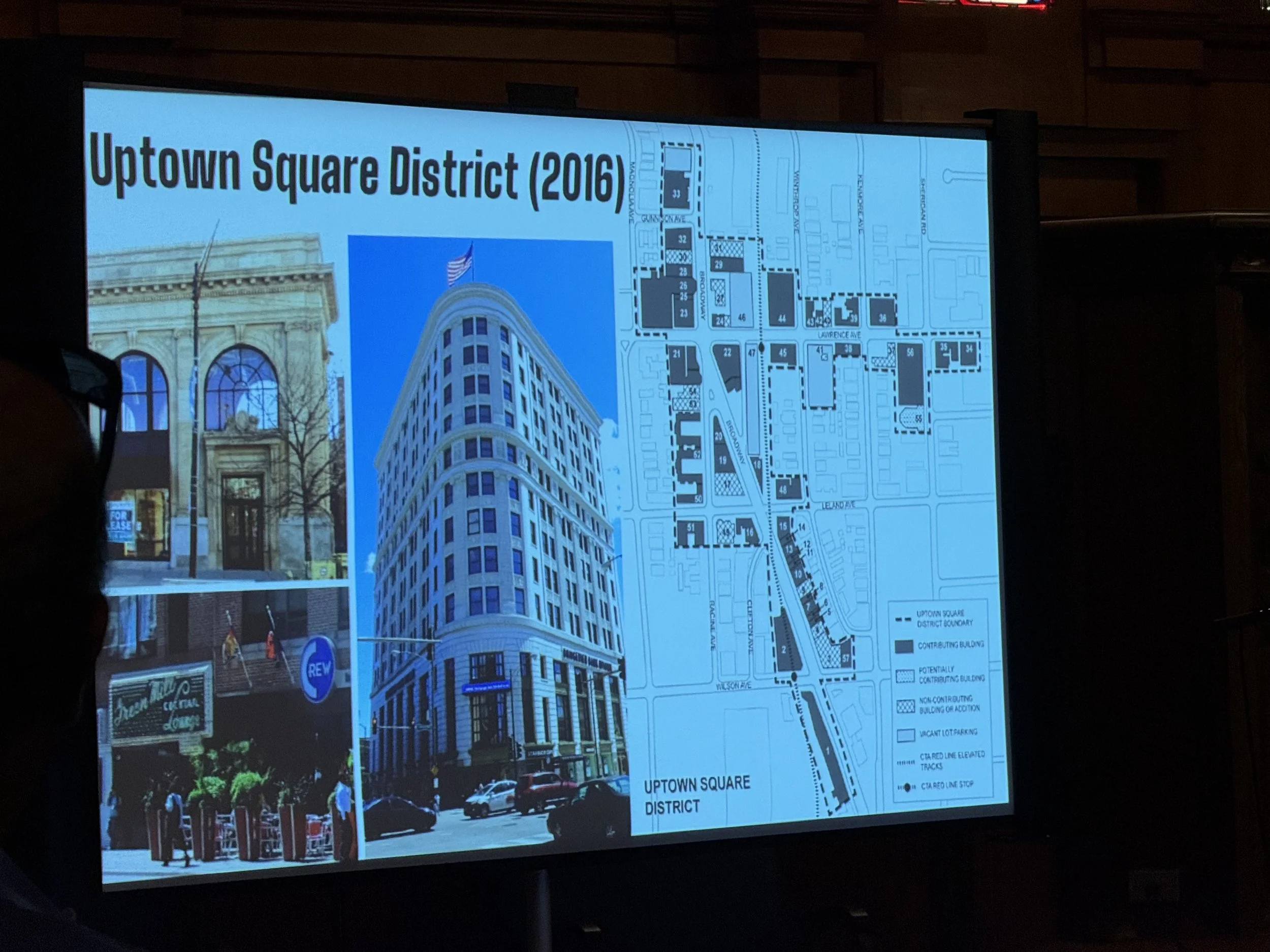
The proposed landmarking of the Bryn Mawr Historic District would join two existing residential landmark districts in Chicago: one in Uptown and another in Lincoln Park along Armitage Avenue.
As the City of Chicago continues its review process, community engagement will remain a central part of the conversation—balancing the preservation of Edgewater’s architectural legacy with the practical needs of those who call it home.
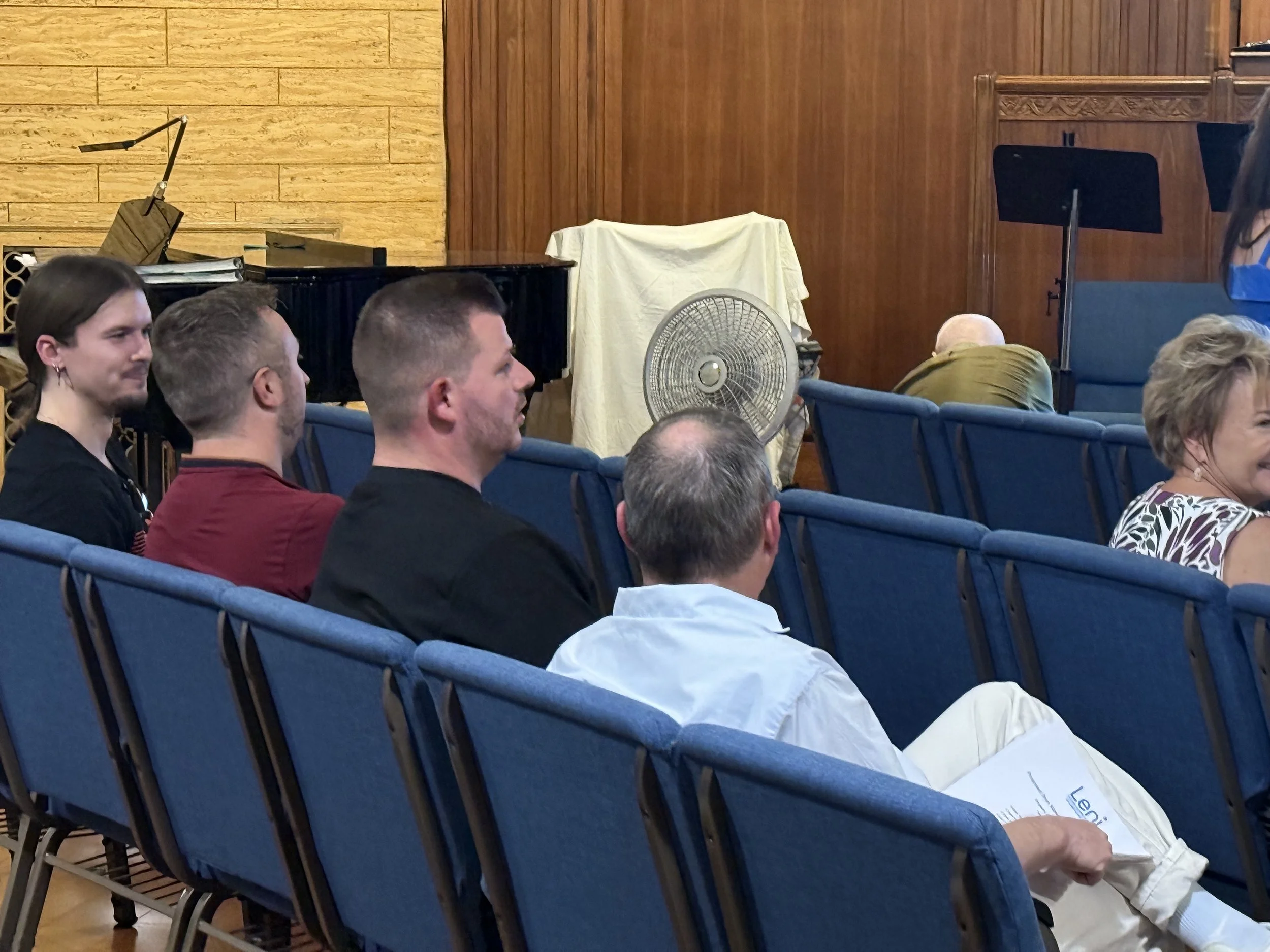
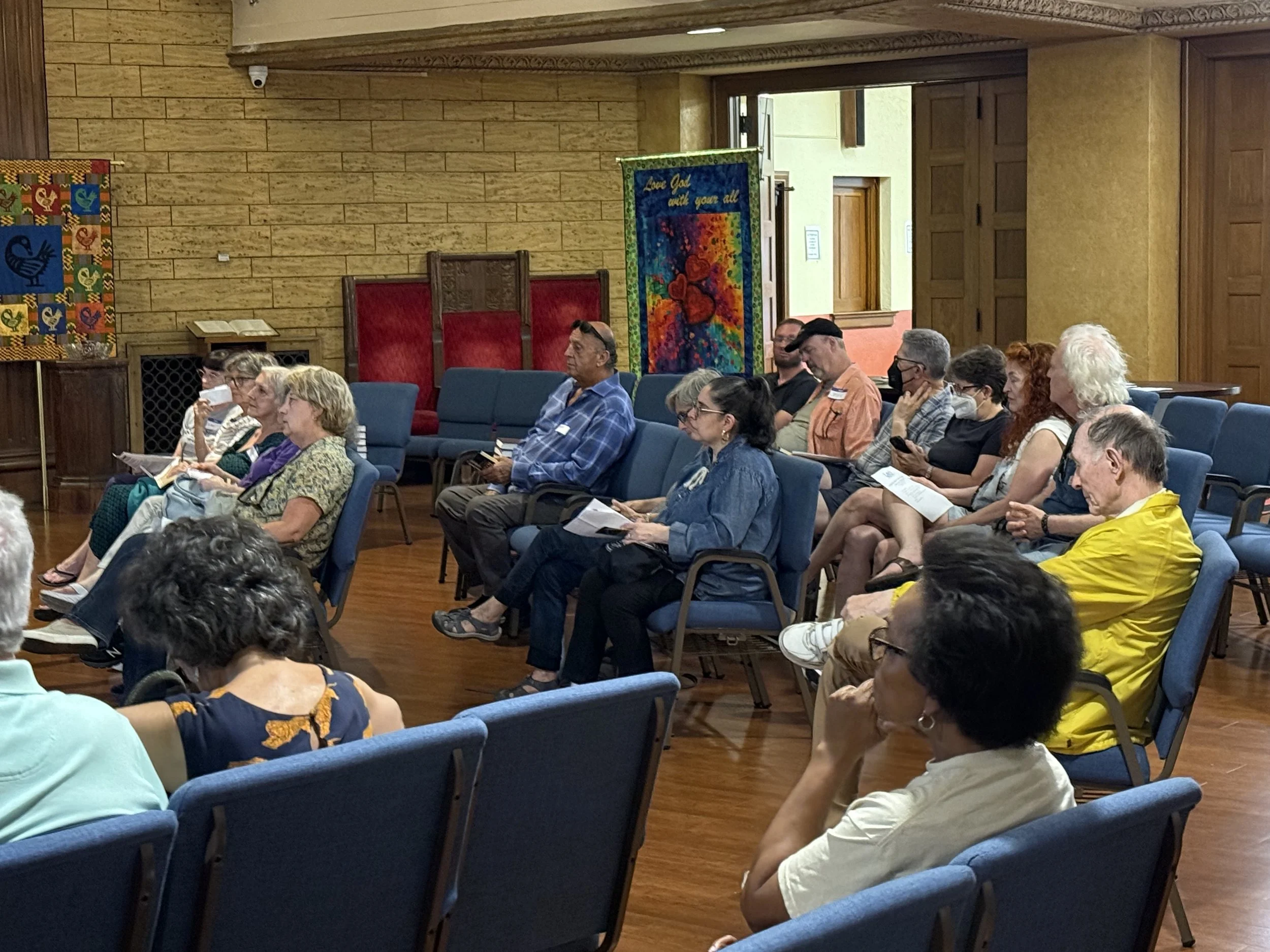
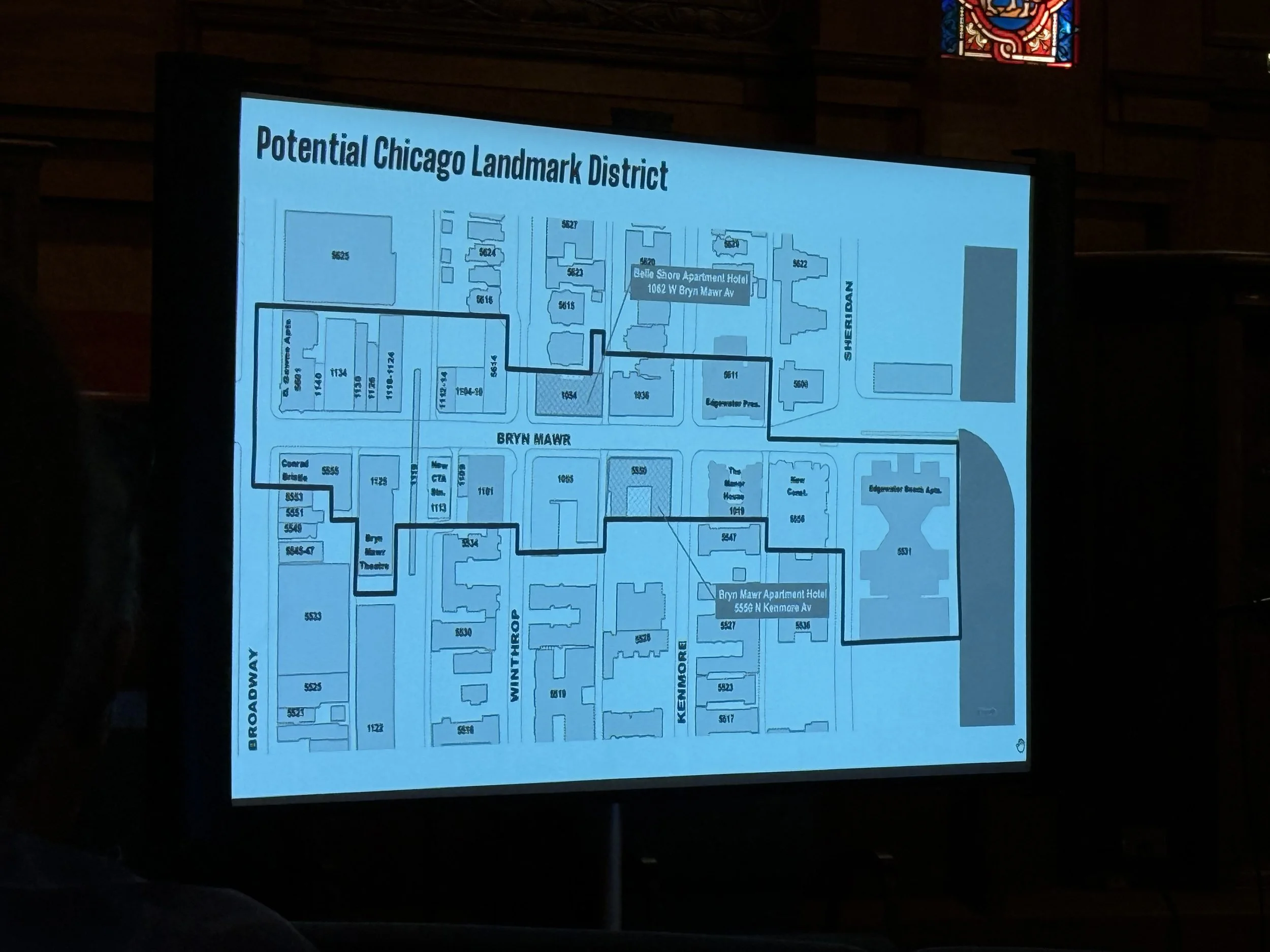
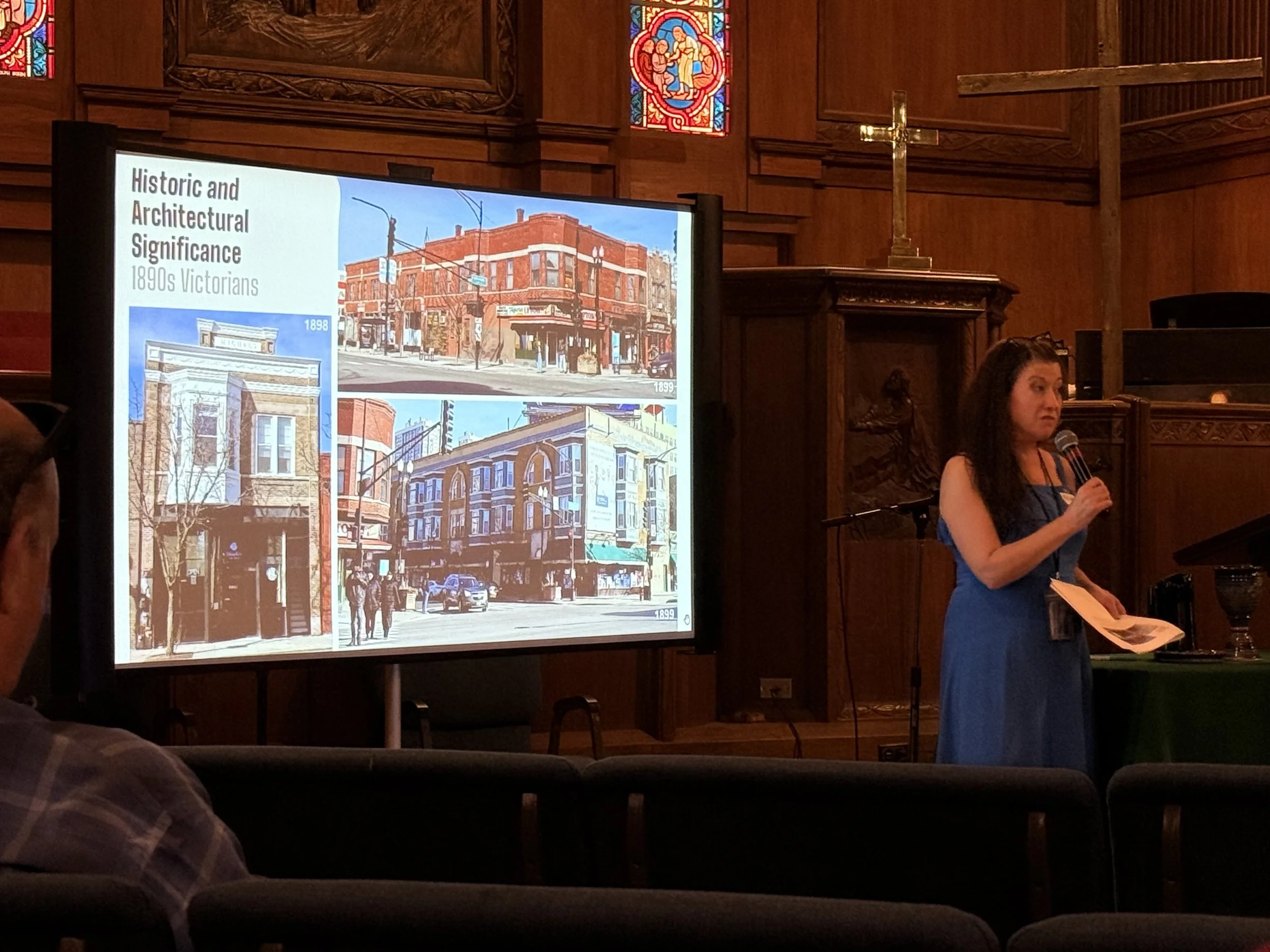
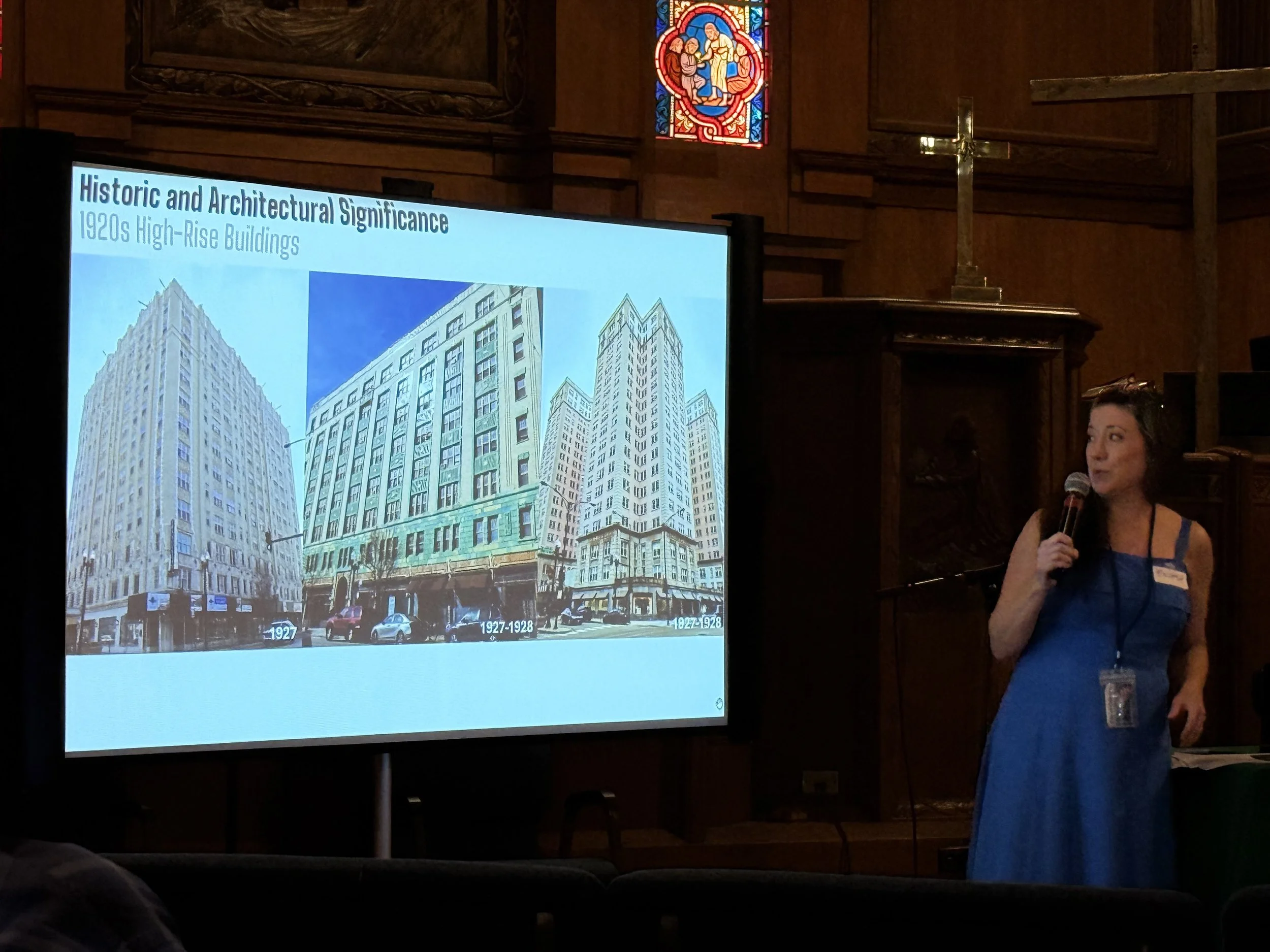
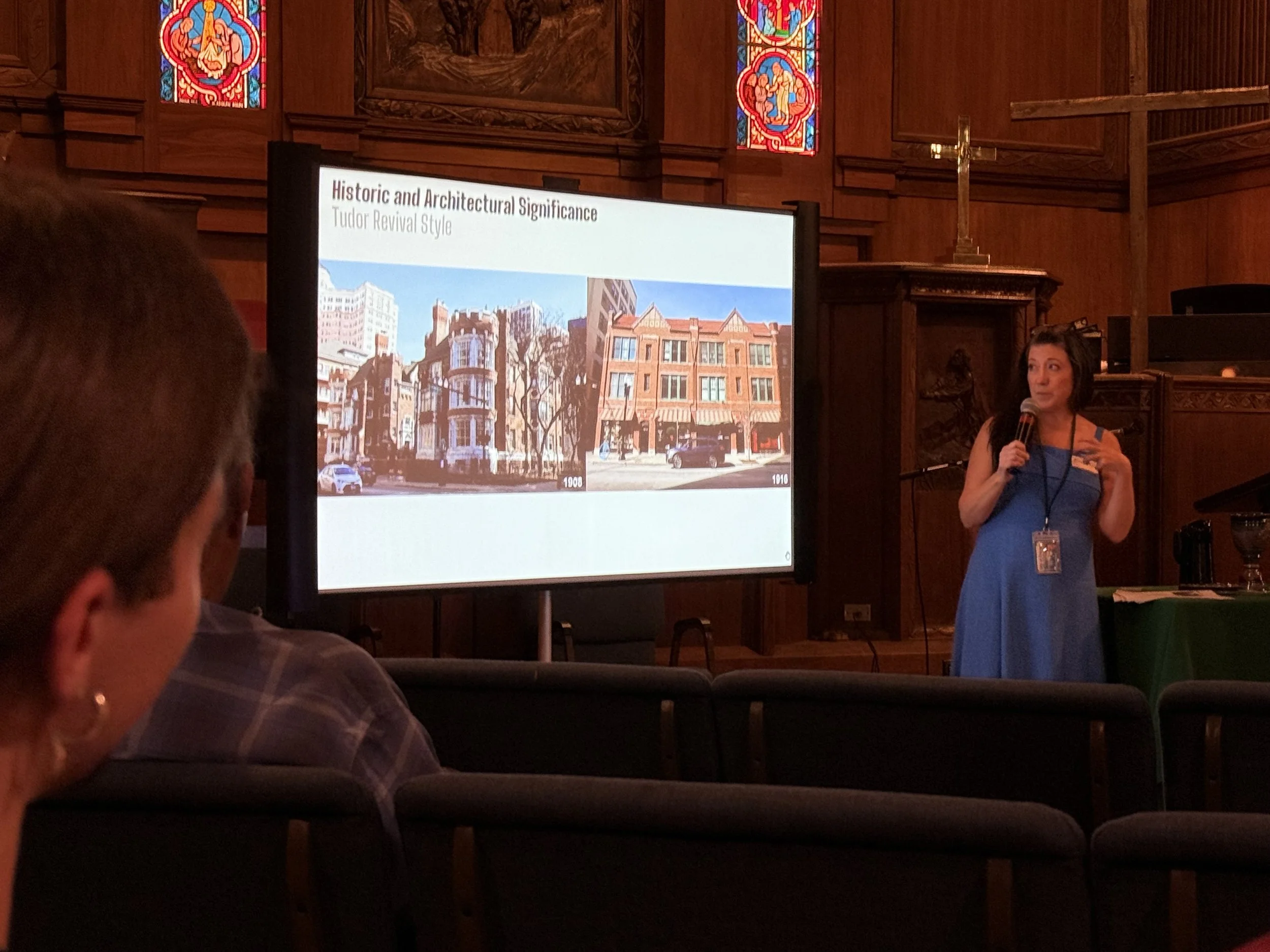
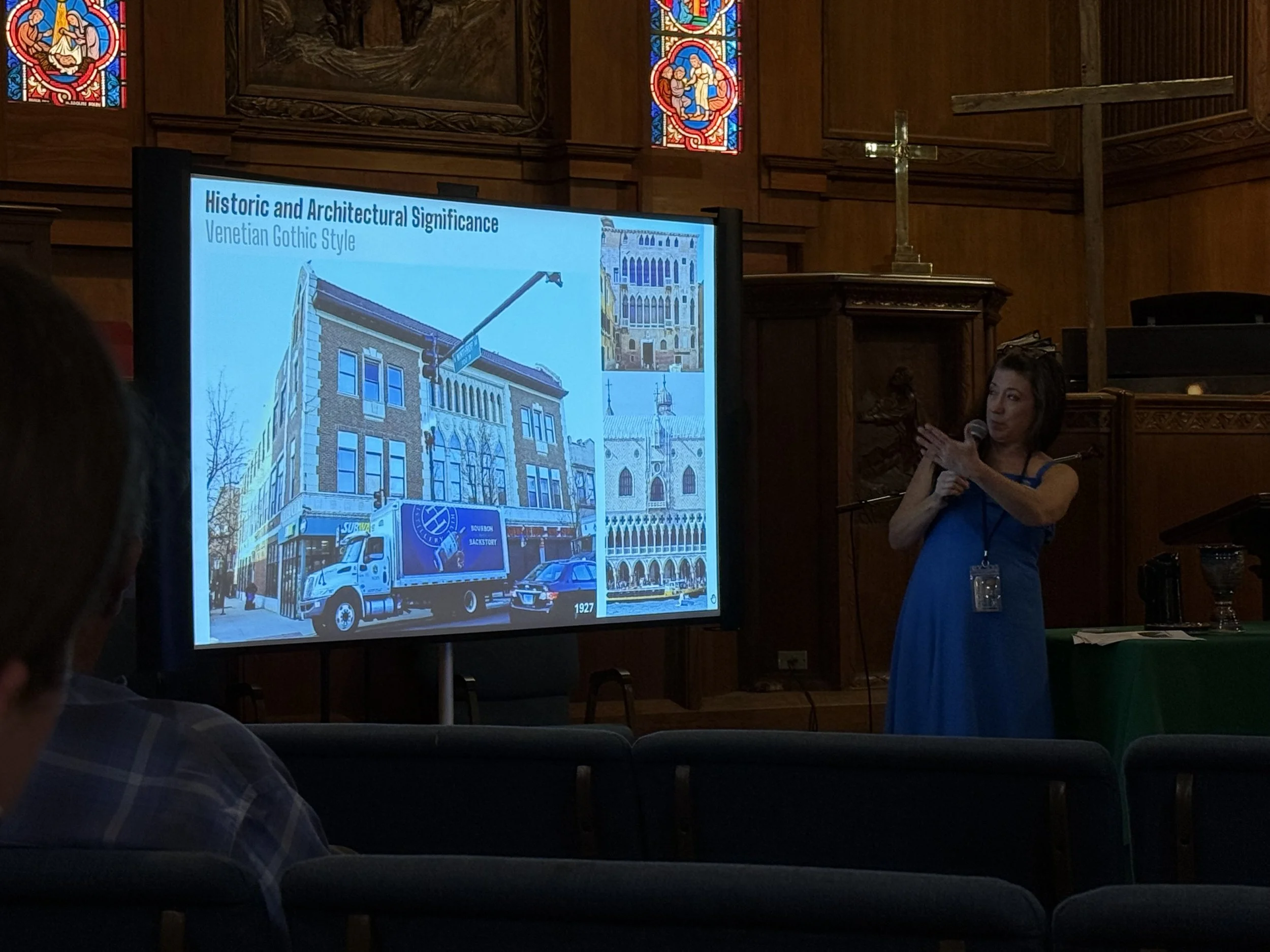

Photos: Gerald Farinas.