Ind. Lt. Gov. calls Islam ‘death cult,’ ‘need to be OK with hating again’; Christians must respond
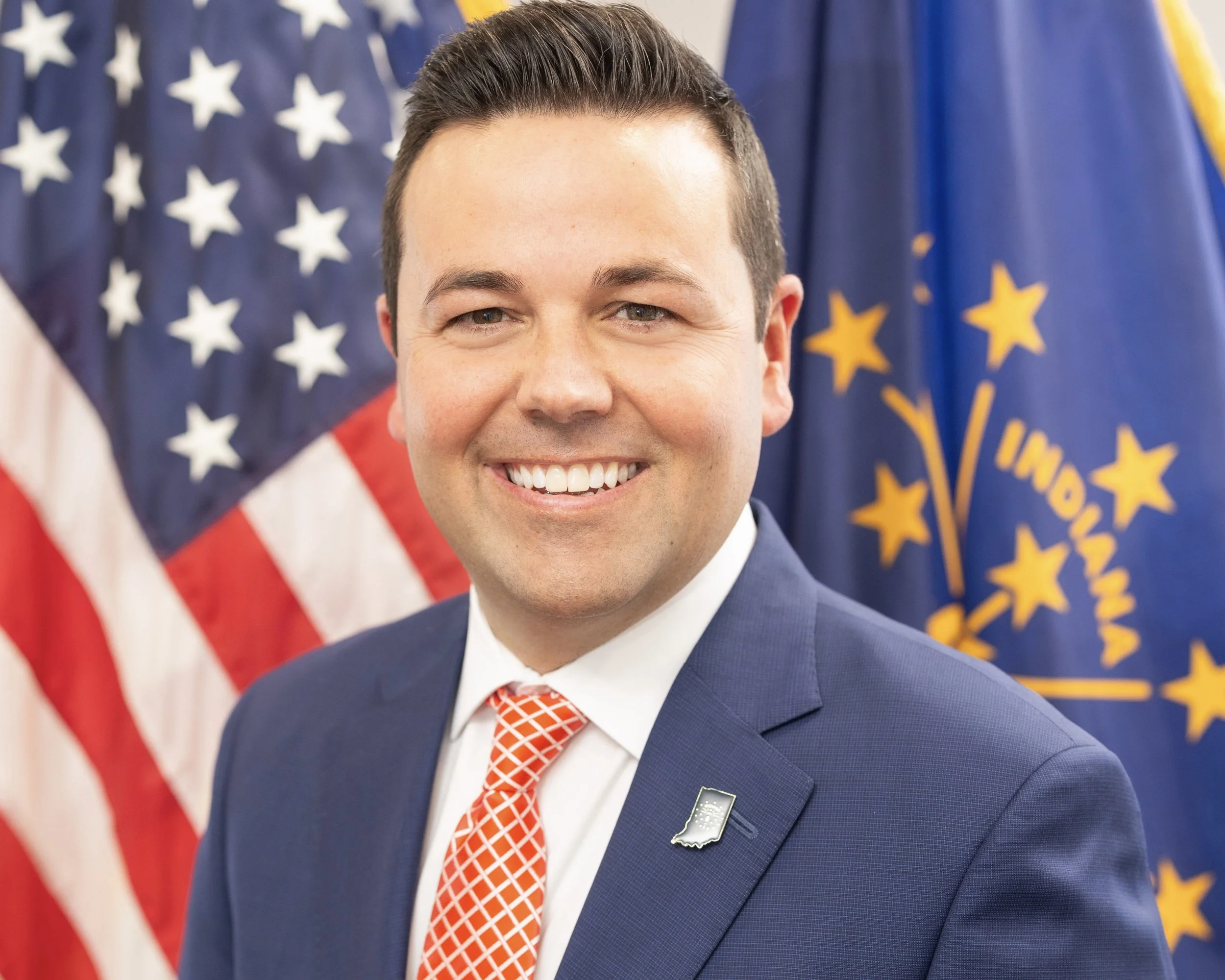
Indiana Lt. Gov. Micah Beckwith. Photo: Christina Peternel via Wikimedia Commons. This photo is made available under the Creative Commons CC0 1.0 Universal Public Domain Dedication.
When a top government official calls Islam a "death cult" and says people "need to be OK with hating again," it is easy to feel shocked and tired. But for those of us who serve as elders in the Presbyterian Church (U.S.A.), our response must go much deeper than just being offended. It requires us to speak up clearly and publicly.
This is not about getting into political fights or chasing news headlines. It is about our basic duty to protect the value of our neighbors. We must stand firmly against a message of hatred that goes against everything we believe.
There are always people who will tell Christians to stay out of politics whenever a politician speaks like this. They argue that the Church should stay in a quiet corner, far away from public life. But that argument completely misses the point of what is happening.
The attack by Republican Indiana Lt. Gov. Micah Beckwith was not a debate about tax rates or local laws. It was a direct, cruel attack on millions of people who have a deep and lasting faith in God. When the religious freedom and human dignity of our Muslim neighbors are targeted by a government leader, staying silent is not being neutral. Staying silent means we are letting it happen.
As Presbyterians, our beliefs do not let us separate our faith from our duties in the world. Our Book of Order reminds us that the Church is called to be a community of faith, hope, love and witness. We are given a clear job to join in God's mission, which includes seeking justice, exposing false ideas and fighting against systems that treat people poorly. Speaking out against statements that make hatred look normal is a core part of our promises when we are ordained. We promise to serve the Church and the world with energy, intelligence, imagination and love. We cannot keep those promises if we look away when fear is used as a weapon by our leaders.
The idea that people need to learn how to hate again is especially dangerous when you look at the life and teachings of Jesus Christ. The message of the Gospel is about radical welcome, making peace and loving our neighbors. In Chapter 10 of the Gospel of Luke, when Jesus is asked who our neighbor actually is, he tells the story of the Good Samaritan. He purposely uses a religious and cultural outsider to show what it means to follow God's law. Jesus constantly broke down the walls of "us versus them" that the leaders of his day tried to build. Suggesting that our society needs more hatred is a direct rejection of how Jesus lived.
On top of that, calling Islam a death cult ignores the deep religious roots that connect our faiths. Our Muslim neighbors worship the same God of Abraham. They build their lives around prayer, charity, justice and devotion to God. Turning a rich, global religion into a mean stereotype is a sin against the truth. It directly breaks the commandment that tells us not to lie about our neighbors.
Speaking up for others is not forcing our way into politics. It is the natural result of a living faith. When a government official uses their power to put down a religious minority, the Church has a historic duty to speak the truth. We do this not to get political power for ourselves, but to protect a world where all people can live in peace, free from hatred backed by the government.
We cannot build a loving community if we base it on manufactured hatred. As elders, as followers of Christ and as members of the human family, our duty is clear. We stand together with our Muslim brothers and sisters. We reject the language of division, and we promise again to do the hard, beautiful work of loving our neighbors.