Mercy for the scattered; thoughts on Jeremiah 23:1-6
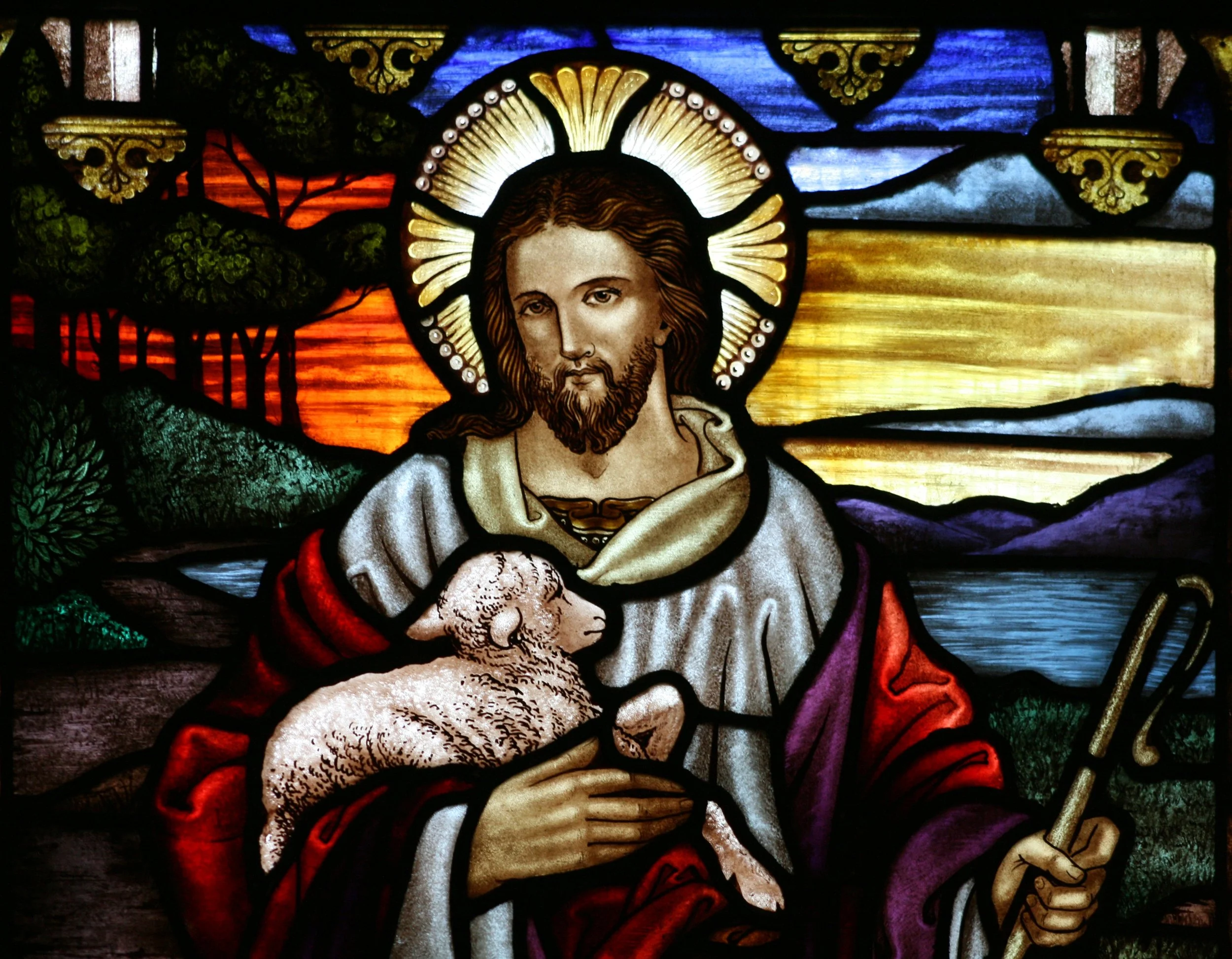
Window at St. John the Baptist Anglican Church, Ashfield, New South Wales, Australia. Photo: Toby Hudson via Wikimedia Commons.
In today’s lectionary reading, we look at a strong word from the prophet Jeremiah 23:1-6. This message is about leadership, about care, and about where God’s true mercy lies.
Jeremiah begins with a word of judgment for the leaders, the "shepherds" of Israel. God says, “Woe to the shepherds who destroy and scatter the sheep of my pasture!”
These leaders were supposed to guide the flock, but instead, they scattered them. They drove them away. They were selfish. They sought their own comfort while God’s people were lost, hurt, and afraid.
God is clear, "You have scattered my flock and have driven them away, and you have not attended to them."
When leadership fails to care, it does not just neglect; it actively scatters and destroys.
We must look at our own time and our own hearts. Who are the people in our society that are scattered? They are the ones who feel driven away, the ones who feel they have no safe fold to return to.
They are the immigrants seeking refuge, the LGBTQ person seeking simple dignity, the person struggling with addiction or poverty, the sex worker, or the prisoner trying to find a path back to life.
Many people who claim to follow Christ act like the bad shepherds. They use their pulpits or their social media to scatter the vulnerable with harsh words, hateful judgment, and absolute refusal to show mercy.
They drive away the sheep, speaking about these groups with a hatred that is completely foreign to the good shepherd Jesus Christ.
They treat mercy as a scarce resource to be hoarded, not a gift from God to be poured out without measure.
But God has a promise for the scattered, a promise that cuts through that judgment. God says in verse 3, “Then I will gather the remnant of my flock out of all the countries where I have driven them and bring them back to their fold.”
God's promise is to gather the scattered. God’s heart is always with those who are pushed out. The true work of Christ is a ministry of reconciliation and gathering.
When we see an immigrant family or a person struggling with addiction, we are seeing the very people God is promising to gather back into the fold.
If we are truly serving God, our hands must be used for gathering, not pushing. Our mouths must be used for mercy, not condemnation.
Then we get the promise of the righteous shepherd, the righteous Branch of David. This is the promise of Jesus. He is the one who will “reign as king and deal wisely, and shall execute justice and righteousness in the land.”
What does this righteous rule look like?
It looks like justice, which means making things right for the oppressed. It looks like righteousness, which is right relationship with God and neighbor. And in Christ’s care, the people shall fear no more, nor be dismayed, neither shall any be missing.
The test of our faith is simple: does our life look like the scattering work of the bad shepherds, or the gathering work of the good shepherd?
If we withhold mercy from the imprisoned, if we refuse kindness to the LGBTQ community, if we speak hatred against the addicted, then we are acting as agents of scattering.
But if we welcome the immigrant, offer help to the sex worker, and advocate for the prisoner, then we are taking part in God’s holy work of gathering.
The name of our righteous King is “The Lord is our righteousness.”
We are made right not by our judgment of others, but by his perfect mercy towards us.
Let us, therefore, pass on that same boundless mercy to every scattered person we meet. Let us be gatherers, not scatterers. Let us reflect the heart of the good shepherd.