Protecting our youth and at-risk persons from church sexual abuse
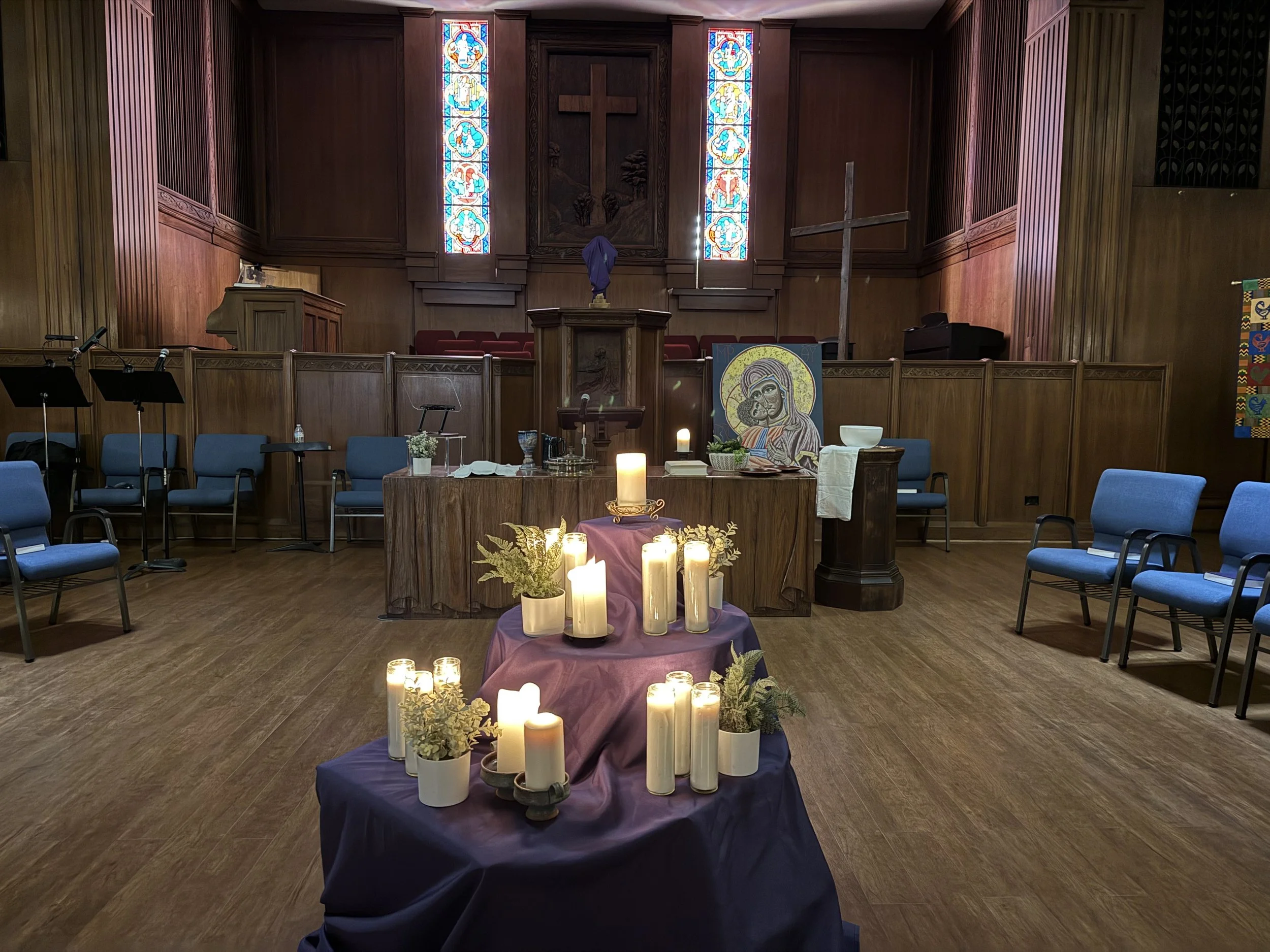
Photo: Gerald Farinas.
I didn’t want Child Sex Abuse Awareness Month, observed each April, to end without this important message.
The silence of the Church is not a holy silence. When leaders choose to protect an institution rather than the people that institution was built to serve, they are not doing the work of the Gospel. There is a deep, theological betrayal that happens when those in power blame victims of sexual abuse, hide the truth behind layers of bureaucracy, or condemn the people who walked away because they could no longer find God in a place that allowed them to be harmed.
The act of leaving a church because of trauma is not an act of faithlessness. Often, it is an act of spiritual survival. To judge those who have left is to ignore the fact that the Church, in its failure to protect them, broke the covenant first.
The Bishop of Rome recently said, "I know people who have left the Church because of the pain they suffered [due to sexual abuse], and their choice has to be respected."
A leader’s primary duty is to the vulnerable, and when that duty is traded for the preservation of a reputation, it is a rejection of the very ministry we claim to hold dear. True leadership requires the courage to be transparent, the humility to seek forgiveness, and the strength to ensure that the Church is a sanctuary, not a place where people get hurt.
In my work on the Commission on Preparation for Ministry in the Chicago Presbytery, I see firsthand how we must vet those called to lead. The Presbyterian Church (U.S.A.) has put real rules in place to make sure the safety of everyone comes first.
The PC(USA) requires every single congregation to have a formal sexual misconduct policy. This is not optional; it is required by our constitution, the Book of Order.
Most presbyteries like the Chicago Presbytery also make ministers and leaders go through boundary training. This training is all about understanding the power a leader has and making sure they never cross the line. It defines exactly what misconduct is so there is no confusion about the responsibility to keep things professional and ethical.
Beyond training, we have strict rules for reporting and background checks. Even though laws change depending on what state you are in, our policy is that church leaders have a moral duty to report abuse to the police and civil authorities. That means calling 9-1-1.
We also use a thorough background check system for anyone who wants to be ordained or work for the PC(USA). We want to make sure people with a history of causing harm never get into a position where they are trusted with others.
When something goes wrong, we use a formal judicial process. In addition to the work we do on the Commission on Preparation for Ministry to check if someone is fit for the job, there are committees and rules of discipline to investigate complaints.
If a leader is found to have caused harm, these rules allow the Church to remove them from office. It’s about holding people accountable and trying to find a path toward justice for victims.
Finally, many of our churches use what we call "Safe Sanctuary" practices. This is especially for children and older adults. It includes simple but vital rules like the two-adult rule, which means a child is never alone with just one adult during church events.
By making everything transparent and out in the open, we try to get rid of the secret spaces where abuse can happen. Through these steps, we strive to make the Church a place of genuine healing.