Resist helplessness
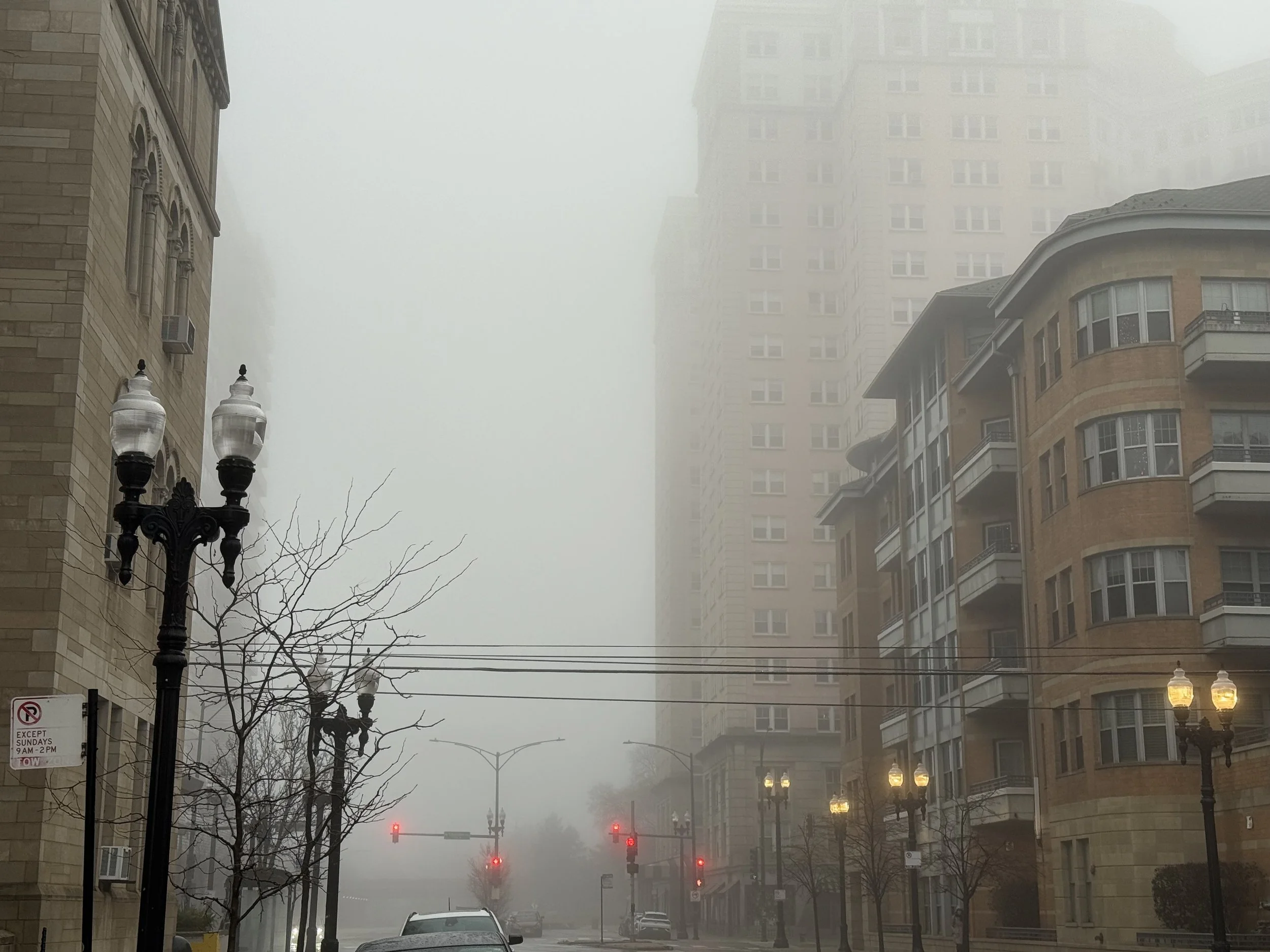
Photo: Gerald Farinas.
I know we are all looking at the news and feeling like the world is becoming too heavy to carry. When the headlines feel like a constant tide of ICE raids and the steady loss of rights we thought were safe, it is natural to want to pull back. We see the scale of these challenges, from the rollback of women’s rights and voting rights, to the targeting of our LGBTQ and immigrant neighbors, and the sheer volume makes it feel like our individual voices no longer matter.
But we have to be careful not to internalize helplessness. This is more than just feeling sad; it is that quiet, devastating conclusion that nothing we do makes a difference.
For those of us also navigating the silence of unemployment after years of hard work, this feeling is even sharper. It is easy to look at a Google or Outlook calendar of empty squares and see them as a lost purpose rather than just a moment in time.
I want to bring up two of my favorite authors I’ve often used in my lectures when I used to teach workplace trainings.
In her book "Learning to Walk in the Dark," Barbara Brown Taylor writes that we often panic when we lose our way. We assume that because we cannot see the path, the path no longer exists. But she reminds us that being lost is often a requirement for a deeper kind of finding. When the old landmarks of our identity, our jobs or our sense of national progress, disappear, we have to develop "night vision." We learn to see things in the shadows that were invisible in the bright light of certainty.
When we feel squeezed between a tough job market and a political climate that feels hostile, it is exhausting. Brené Brown warns that powerlessness is a dangerous emotion because it makes us "armor up." We become cynical or shut down to protect ourselves. She argues that the antidote is the choice to walk into our story rather than away from it. By owning our vulnerability, our fear of the future or our grief for the country, we reclaim our power. We stop letting outside circumstances define our worth.
Helplessness is a learned behavior. There is a profound difference between being in a difficult situation and being a helpless person. The systems that seek to roll back civil liberties or marginalize our friends rely on that sense of defeat.
They thrive when we believe the outcome is inevitable. By refusing to internalize helplessness, we are choosing to protect our own agency.
Comfort does not come from pretending these threats are not real. It comes from realizing that even in the most restrictive times, we still have a stubborn, creative ability to find a way forward. We see it in the groups protecting their neighbors and the people who refuse to let their joy be extinguished.
Our years of experience, our identities, and our commitment to service are not erased by a job loss or a hard political era. We are more than a job title or a headline. We are witnesses to our own history and participants in a shared effort.
Refusing to be helpless means admitting we are tired while still believing our contribution is needed. It means finding small victories in the daily rhythm and holding onto the truth that while we may be between roles or fighting a tide of racism and xenophobia, we are never less than.
We are not just spectators to history; we are the ones who determine, through our persistence, what the next chapter looks like.