Theology 101: When your version of Christianity lines up perfectly with your political party
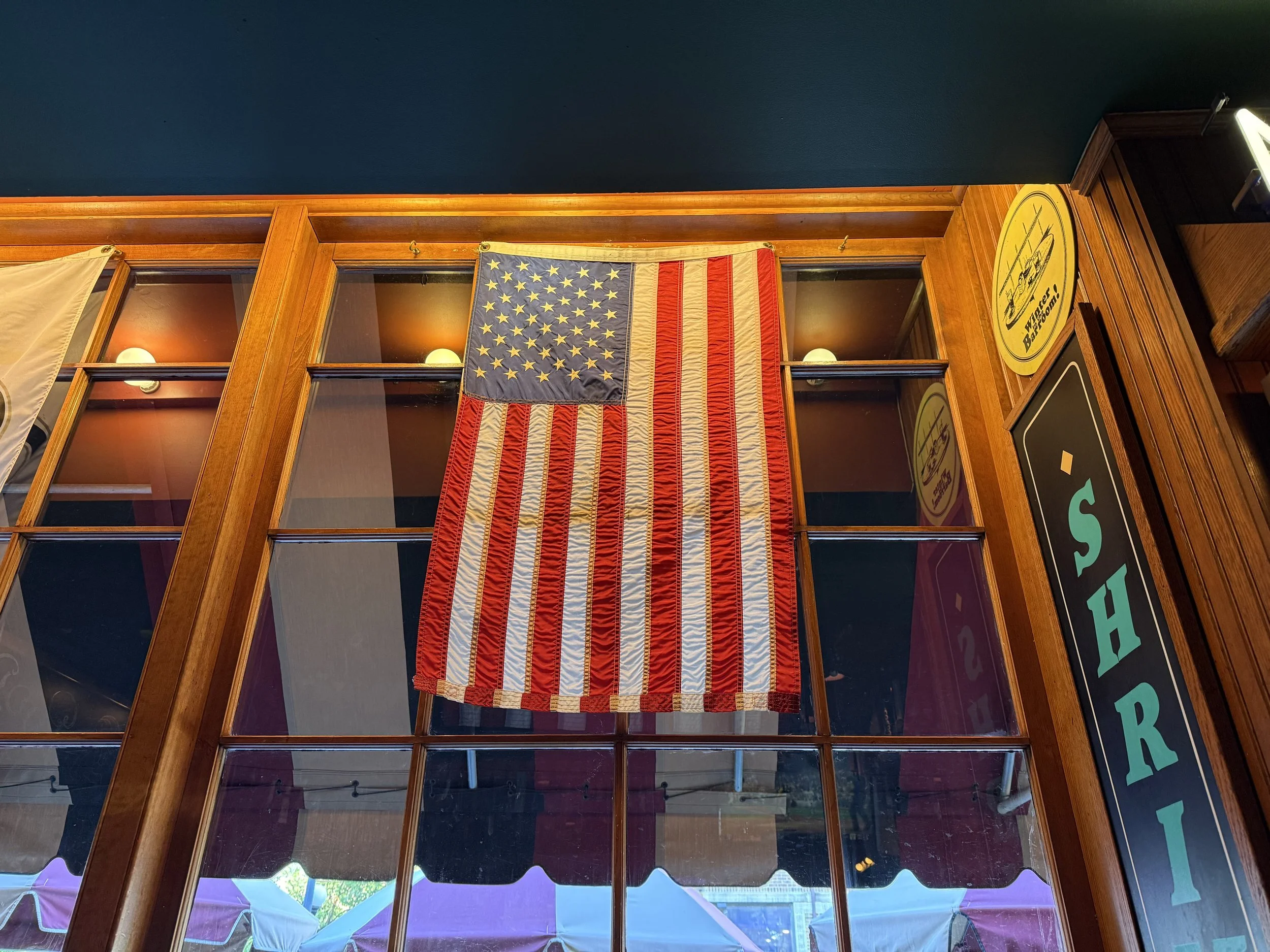
Photo: Gerald Farinas.
In a time when public life seems thoroughly polarized, it is easy for Christians to feel pressured to align their faith wholly with one political banner. It is against this backdrop that we consider a sharp challenge from theologian Stanley Hauerwas, “If your version of Christianity always lines up with your political party, you’re not being discipled. You’re being used.”
Hauerwas, a highly respected Christian ethicist who has taught at institutions like Duke University, is known for his work emphasizing the Church's distinct identity. He is a critic of both liberal and conservative forms of Christianity, arguing that both often compromise the Gospel's demands to fit modern political agendas.
His core argument is that the Church is a "community of character" whose primary allegiance belongs solely to Christ, not to any state or political ideology.
The quote highlights a crucial spiritual distinction. Discipleship is a process: an ongoing commitment to learn from and follow Jesus.
It means submitting our personal agendas, our comfort, and even our political opinions to the radical, often counter-cultural, narrative of the Gospel.
Discipleship is inherently disruptive; it should make us question and reform our lives, including our politics.
Being used, on the other hand, means accepting a political platform uncritically and allowing it to dictate the terms of our faith.
When we find ourselves nodding along to every single plank of a party’s platform, and when our Christian convictions never clash with the party line, Hauerwas suggests we have traded the living discipline of Christ for the convenient utility of a political machine.
The danger here is that Christianity stops being a prophetic voice challenging the world and instead becomes a predictable echo of a partisan constituency.
The great challenge of this quote is the call to Christian distinctiveness. If the Church exists merely to bless the prevailing political priorities, whether on the left or on the right, it loses its identity. The Good News of the Gospel should create an allegiance that transcends national flags, economic policies, or campaign slogans.
When we are truly discipled, our faith serves as a lens through which we evaluate all human power structures. We hold our political leaders, our policies, and even our own preferred ideologies accountable to the profound ethical demands of Christ: love of neighbor, care for the poor, and a pursuit of peace that goes deeper than legislative compromise.
This does not mean Christians should withdraw from civic life. Rather, it means we must enter the political arena not as party members seeking Christian validation, but as disciples whose primary identity is rooted in the body of Christ and the Gospel teachings like those in Matthew 25.
Our first loyalty is to the kingdom of God, and that loyalty must occasionally make us uncomfortable with every earthly power.
To be discipled is to be continually reformed; to be used is to be conveniently confirmed. Our task is to ensure our faith is doing the reforming.
However, to truly live out Hauerwas’s challenge is personally difficult. Our own political convictions, often deeply rooted in our sense of justice or morality, are hard to divorce from the Gospel we preach and live by. It is a lifelong tension.
Yet, recognizing this tension is essential, especially as we discern our words and prepare to address the Church—whether through writing sermons, leading Bible studies, or engaging members of the congregation. In these sacred spaces, the priority must always be to preach the singular, unifying message of the Kingdom of God, ensuring our personal political loyalties remain evaluated and secondary to Christ's call.