Viva La Vida: A tale of a king whose power came crashing down
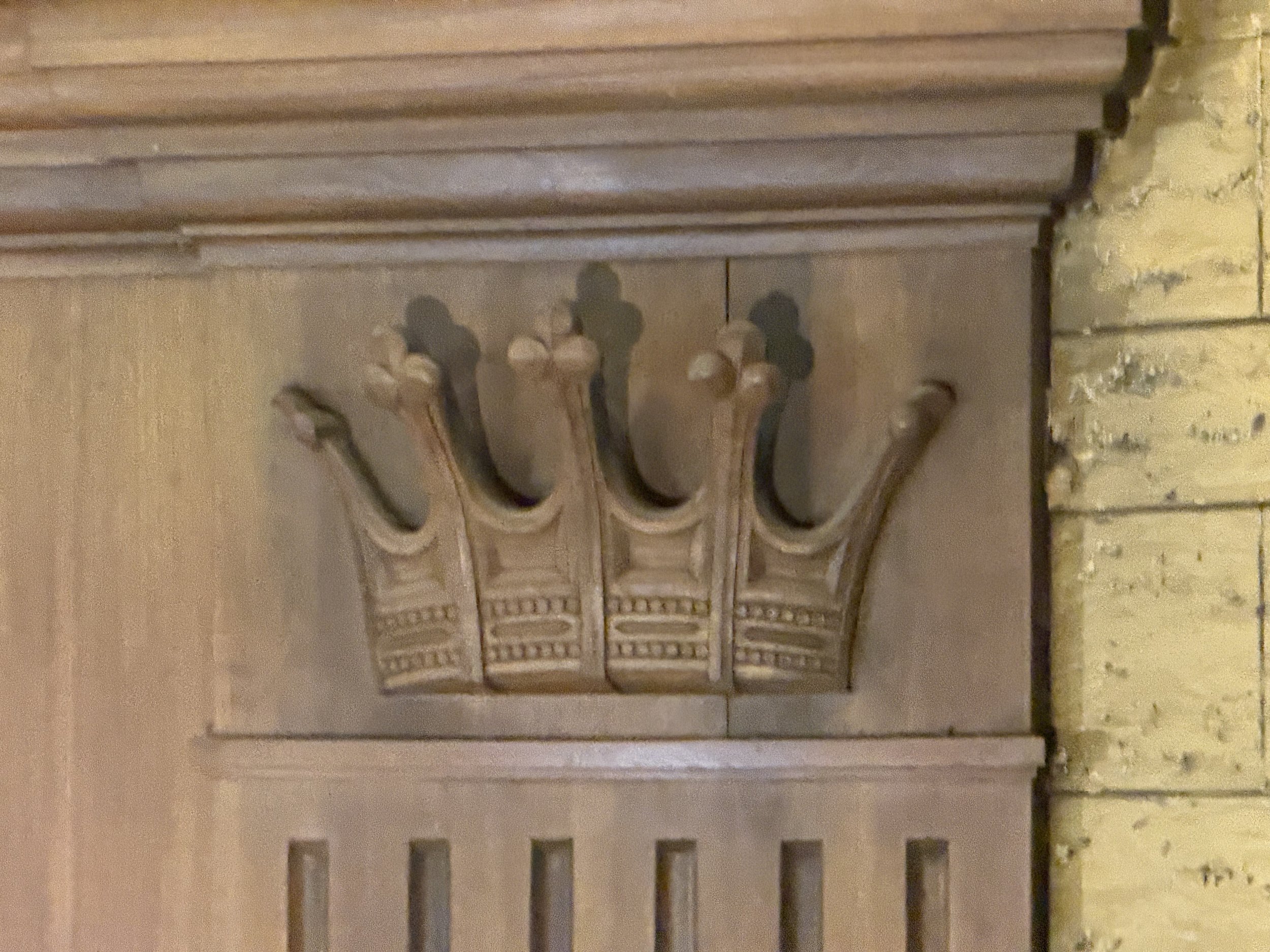
Woodwork above the Edgewater Presbyterian Church sanctuary depicts the kingship of God. Photo: Gerald Farinas.
I like to wind down by laying on my sofa flat on my back, closing my eyes, and asking my Apple HomePod to play one of my various curated playlists. Sometimes I contemplate certain lyrics as my own form of meditation and thought. Today, Coldplay’s “Viva La Vida” was the first song. Have you actually spent time to focus on the lyrics to a song played millions of times on the radio worldwide?
“I used to rule the world. Seas would rise when I gave the word. Now in the morning, I sleep alone. Sweep the streets I used to own.”
The story of power in “Viva La Vida” is not just about a king losing his crown. It is a deep look at how fragile human authority really is and the judgment that always follows.
The song is told by a ruler who used to control the seas but now sweeps the streets. It captures the exact second when the idea of a divine right to lead crashes into the messy reality of being human. This shift from feeling like a god to realizing you are just a person is a huge theme that fits right in with the beliefs of the Presbyterian Church (U.S.A.).
In PC(USA) social teaching, power is never something you just own for yourself. It is a stewardship. This means it is a temporary gift from God meant to help people and protect those who are struggling.
The song shows a king who realizes his castles were built on pillars of salt and pillars of sand. This is a perfect match for how the Church warns us not to make an idol out of our own power or even our country. When leaders start thinking they are untouchable, they usually forget the moral duties that gave them authority in the first place.
When the lyrics say that Saint Peter won't call the king’s name, it is a heavy reminder about accountability. The Presbyterian tradition is very clear. Every leader and every government answers to God.
Social teaching in the PC(USA) often calls for breaking down systems that care more about keeping power than doing what is right. The king in the song regrets that honest words were never used when he ruled the world. This suggests his kingdom fell because he was not honest and stopped listening to the people he was supposed to lead.
The song also talks about a wicked and wild wind that blew down the doors, which represents how quickly things can change. The PC(USA) often talks about the need for major change in society, acknowledging that when power becomes a tool for oppression, it will eventually collapse under the weight of its own injustice.
The lyrics remind us that even the biggest empire is only temporary. This reflects the Reformed belief that while human governments come and go, only the kingdom of God lasts forever.
At its heart, the song is a lesson in humility. It asks what is left of you when the crown is gone and the crowd stops cheering. For the Church, the answer is found in how we use our influence to share the Gospel and work for peace. The real tragedy for the king in the song is not just losing his palace, it is the realization that he used his power for himself and ended up completely alone. It works as a modern parable about why leadership must be based on service, not ego.