Act of Confession: What do we think about during the silence?
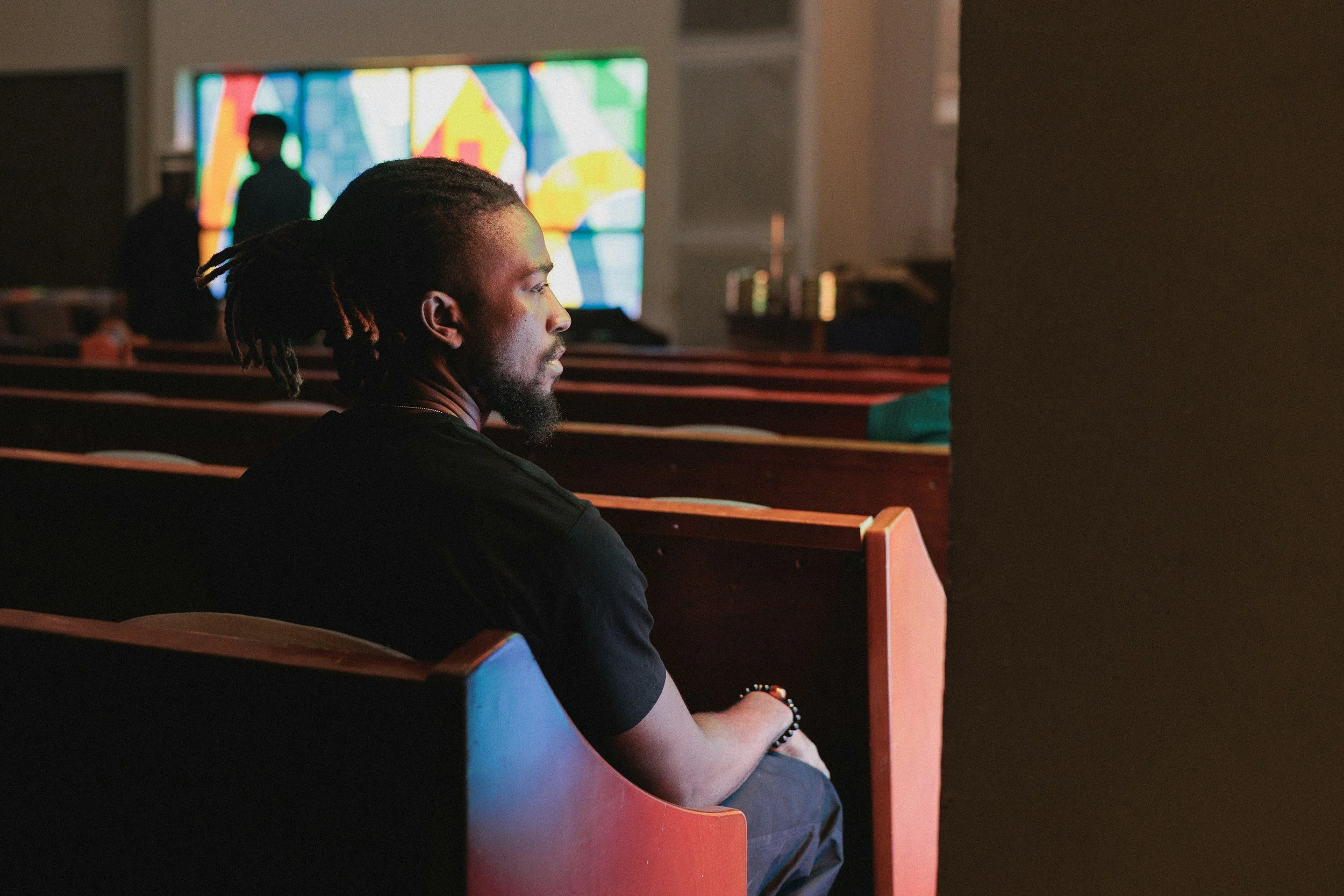
Photo: Unsplash.com. Public domain.
Every Sunday morning, when the worship service reaches the Act of Confession and our liturgist (sometimes it would be me) calls us into a brief moment of silence, my mind used to instantly go to work. I would close my eyes and frantically scroll through my week like my American Express credit card statement. I would replay the sharp words I spoke to the Taco Bell attendant about the Baja Blast Zero running out at the fountain again, when I real-time text someone about how much smarter I am than the guy making the presentation I’m attending, and every prideful and selfish thought I tried to hide in between.
I treated those thirty seconds of silence like a high-stakes race against the clock to list every single one of my sins before the liturgist started speaking again, terrified that if I forgot one, it would remain marked against me. My internalized Asian-guilt gets in the way.
It was an exhausting way to pray, and as it turns out, it misses the point of what we are doing together in worship.
When Keanu Heydari, a ministry inquirer and theologian studying at Princeton, raised the question of how we ought to practice self-examination without falling into anxiety, he pointed to something deep in our history as Presbyterians.
» READ: Keanu Heydari’s theology blog «
In other traditions, people were taught different ways to pray during these quiet moments. For instance, Ignatius of Loyola created a famous method called the Examen, which asks people to review their day step-by-step.
In the Ignatian Examen, a person pauses to become aware of God's presence, gives thanks for specific blessings, and then carefully tracks their interior thoughts, emotions, and desires throughout the hours. They look for moments of consolation, where they felt close to God and full of peace, as well as moments of desolation, where they felt anxious or distant from God.
By reviewing these daily patterns, a person tries to discern where God is leading them in their personal choices and calling. This method can be wonderful and deeply helpful for many Christians who need structure to process things.
While that approach has helped many Christians over the centuries, our own tradition offers a distinct way of looking at these moments.
The great Reformer John Calvin, the French lawyer dude who I swear I probably wouldn’t get along with in real life, saw the deep struggle people had when they felt forced to inventory every wrong thing they had ever done in order to be forgiven.
Calvin warned that this kind of thinking traps the soul. In his Institutes of the Christian Religion, Calvin wrote that those who focus only on listing their faults end up "torturing souls with many misgivings, and immersing them in a sea of trouble and anxiety."
Calvin knew that if forgiveness depended on our ability to remember and list every sin, none of us would ever find peace. Human beings are far too complex, and our hearts are far too prone to hidden faults, for us to ever make a complete list.
So how do we examine ourselves during that moment of silence without falling into this trap?
A true Reformed examination of conscience does not start with our bad deeds. It starts with God's good grace. We do not look inward to figure out if God loves us or if we are good enough to be forgiven. We already know the answer to that! God loves us completely, and Jesus Christ has already paid for our sins. Because we are already safe in God’s hands, we do not need to hide, nor do we need to panic.
Instead of making a long, stressful list in our heads, we can use that quiet pause during church or Night Prayer to take three simple steps:
First, we look back with gratitude. We remember a couple real ways God cared for us this day or this week. We thank God for a warm meal, a kind neighbor, or simple safety, for example. Giving thanks puts our hearts in the right place, reminding us that God is good and faithful.
Second, we look at our lives with honesty. Instead of picking through every tiny detail, we ask a bigger, simpler question, Where did I fail to love God with my whole heart this week? Where did I fail to love my neighbor? Maybe we were quick to anger with a family member, or maybe we ignored someone who needed help. We simply name that truth to God. We don’t wallow in guilt or beat ourselves up, because we’re bringing our mistakes out into the light where Jesus can heal them.
Third, we put the burden down. We hand our unfinished work, our regret, and our bad habits over to God. We recognize that we cannot fix ourselves by willpower alone, but that God’s Holy Spirit is continually working in us to change our hearts.
The best part of our Sunday worship service is what happens immediately after the moment of silence. We do not stay in the quiet forever. The liturgist speaks the Declaration of Forgiveness. We hear the Gospel truth out loud, “In Jesus Christ, we are forgiven.”
Self-examination was never meant to leave us carrying a heavy sack of guilt. It is simply the moment where we open our hands, drop what is weighing us down, and prepare to hear the Gospel truth that we belong to a merciful God. Whether we are sitting in a church pew on Sunday morning or preparing for sleep at night, our quiet prayers end the same way: not in fear, but in quiet, peaceful rest.