Bible, but make it Gen Z; vibe check this version
Note: This article is licensed for redistribution by anyone under a Creative Commons License type CC BY-ND 4.0. You must attribute the article to Gerald Farinas, Edgewater Presbyterian Church, Chicago, Ill. Some rights reserved. Please email us where you are republishing this article.
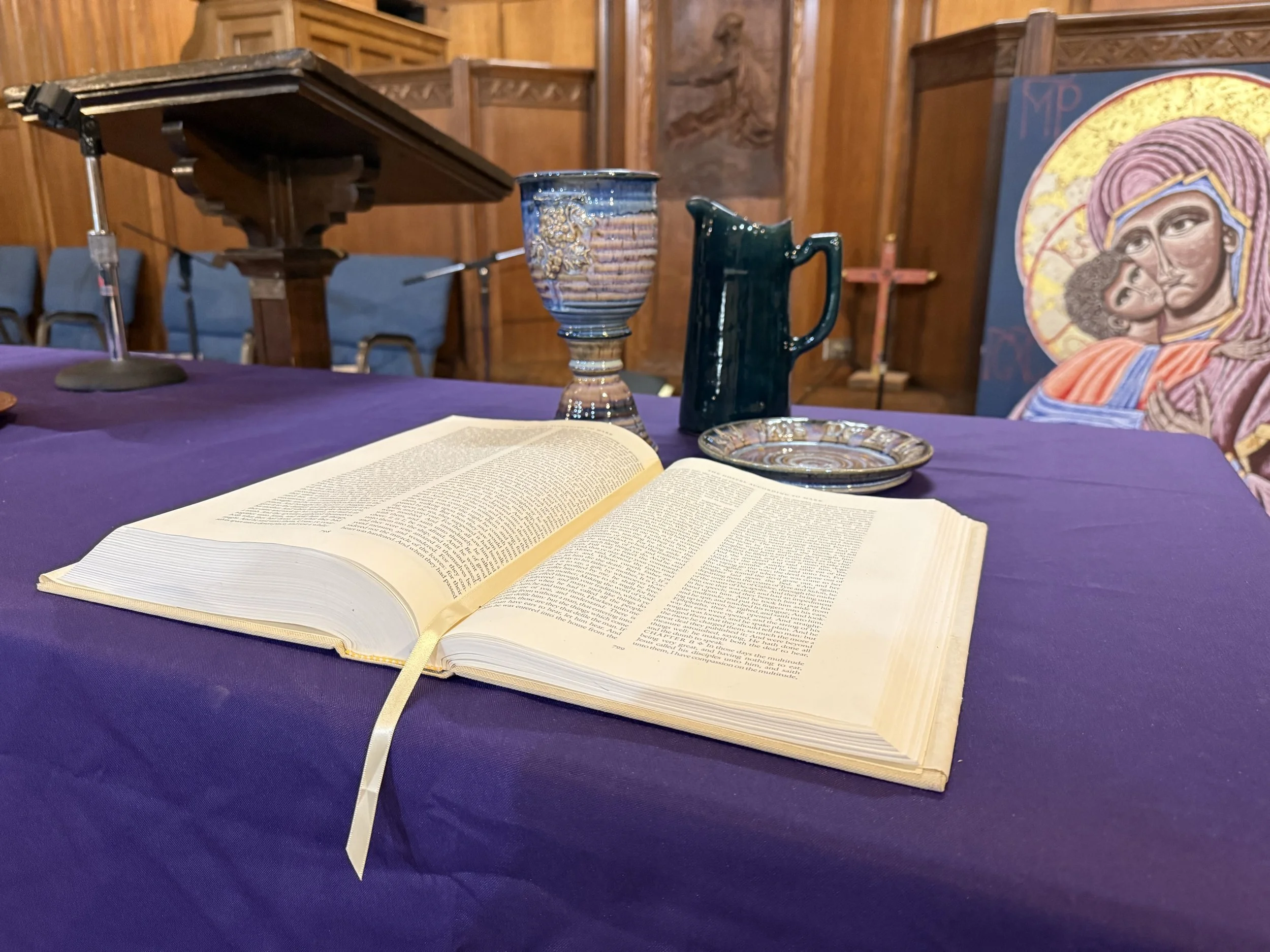
Sanctuary Bible at Edgewater Presbyterian Church. Photo: Gerald Farinas.
As an elder in the Presbyterian Church (U.S.A.), I have spent a lot of time thinking about how we hand down the faith to the next generation. My social media feeds in the past few years have people calling the Gen Z Edition of the Bible, created by a Gen Z group, blasphemous. They see terms like "clout," "main character energy," and "caught in his feels" applied to the Gospel and they recoil. But as I sit with these reactions, I find myself asking: Is it actually blasphemy, or is it just a dialect we aren't used to hearing in the sanctuary?
This past Saturday, I was at a grant workshop hosted by the Rev. Julio Pena of the Presbytery of Chicago Office of Faithful Innovation. During the session, Eld. Kathy Wennerstrum of Western Springs PC(USA) read an excerpt from Mark 2:1-12 from the Gen Z Version of the Bible. Alongside the Rev. Adam Malak of Faith United PC(USA) of Tinley Park, they discussed our confrontation of "the new.”
For many of us, this language is undeniably new, and that novelty can feel jarring. Yet, the conversation reminded me that being uncomfortable with new expressions of faith is often a sign that we are standing on the edge of a necessary shift.
When I look back at our history, specifically the Reformation, the entire movement was built on the radical idea that the Word of God belongs to the people in a language they actually speak. William Tyndale didn't risk his life so that the Bible could stay locked in Latin; he wanted the "boy that driveth the plough" to know the Scripture as well as any scholar.
Our language is a living thing. It has never stayed still. We saw it evolve from Tyndale's first English translation to the majestic prose of the King James Version. We saw it shift again with the Revised Standard Version (RSV), the NRSV, and most recently the NRSVUE. Each of these revisions was met with some level of pushback in its time, yet each was born from a desire for clarity and a deeper understanding of the Sacrament of the Word.
The Gen Z Edition, even if it is a product of Artificial Intelligence, is simply the latest iteration of this long tradition. If we believe the Gospel is universal, then we must accept that it can be translated into the vernacular of every era.
What I find most compelling isn't the slang itself, but the result. I am seeing younger people who previously felt alienated by "churchy" language suddenly becoming curious about the Scripture in our canon. They are engaging with the story of Lazarus or the Sermon on the Mount because the barrier of formal, 17th-century or even 20th-century English has been lowered.
If a teenager reads that Jesus "wept" and understands it through the lens of a deep, relatable grief that "shakes the vibe," they are still encountering the truth of the Savior. As a PC(USA) elder, I believe our job isn't to police the evolution of English, but to rejoice when the Word finds a way to take root in a new heart. Language changes, but the grace found in the Gospel remains the same.
By the way, did you know there are several Emoji Bibles out there? Here’s one that I’m not necessarily endorsing: The Emoji Bible Project. Think Egyptian hieroglyphics but for the modern age. I’m trying to follow what I preach and not roll my eyes on that one.
A reading from John 11:1-45 for the fifth Sunday in Lent
So, there was this guy named Lazarus who was caught in his feels—actually, he was straight-up sick. He lived in Bethany with his sisters, Mary and Martha. Mary was the one who famously poured expensive perfume on the Lord’s feet and wiped them with her hair. The sisters sent a message to Jesus, basically saying, "Lord, your bestie is struggling."
When Jesus heard the news, he didn't even pivot. He told his followers that this sickness wouldn't end in death but was happening so God could get the clout and the Son of God could be glorified through it. Jesus really loved this trio, but instead of rushing over, he stayed where he was for two more days. He was playing it cool with the timing.
After those two days, Jesus told his disciples they were heading back to Judea. They were stressed because people there had literally just tried to stone him. Jesus hit them with a deep metaphor about walking in the light and then dropped the bombshell: "Our friend Lazarus is sleeping, and I’m going to go wake him up." The disciples, missing the vibe, thought he meant a literal nap. Jesus had to be direct: "Lazarus is dead." He told them he was actually glad he wasn't there so they could really see what was about to happen and believe.
By the time they reached Bethany, Lazarus had been in the tomb for four days. The place was packed with people trying to comfort the sisters. Martha heard Jesus was arriving and ran out to meet him, while Mary stayed back. Martha told Jesus, "Lord, if you had been here, my brother wouldn't have died." But she still had hope. Jesus told her, "Your brother will rise again." Martha thought he meant at the end of time, but Jesus corrected her with one of his most iconic lines: "I am the resurrection and the life. Anyone who believes in me will live, even after dying."
Martha went and got Mary, telling her the Teacher was asking for her. Mary ran to him, fell at his feet, and said the same thing: "Lord, if you had been here, my brother wouldn't have died." When Jesus saw her crying and everyone else grieving, he was deeply moved. He asked where they laid him.
Then, the shortest and heaviest verse happened: Jesus wept.
The people watching were divided. Some saw how much he loved Lazarus, while others wondered why the guy who healed the blind couldn't keep his friend from dying. Jesus arrived at the tomb, which was a cave with a massive stone across the entrance. He told them to move the stone. Martha was hesitant because, honestly, the smell was going to be a lot after four days. Jesus reminded her to just have faith.
They moved the stone. Jesus looked up and thanked God for hearing him, then yelled with a main character energy that shook everything: "Lazarus, come out!"
The dead man walked out, still wrapped in linen strips and a face cloth. Jesus told the crowd to unwrap him and let him go. A lot of the people who were there saw the miracle and finally understood the Gospel.

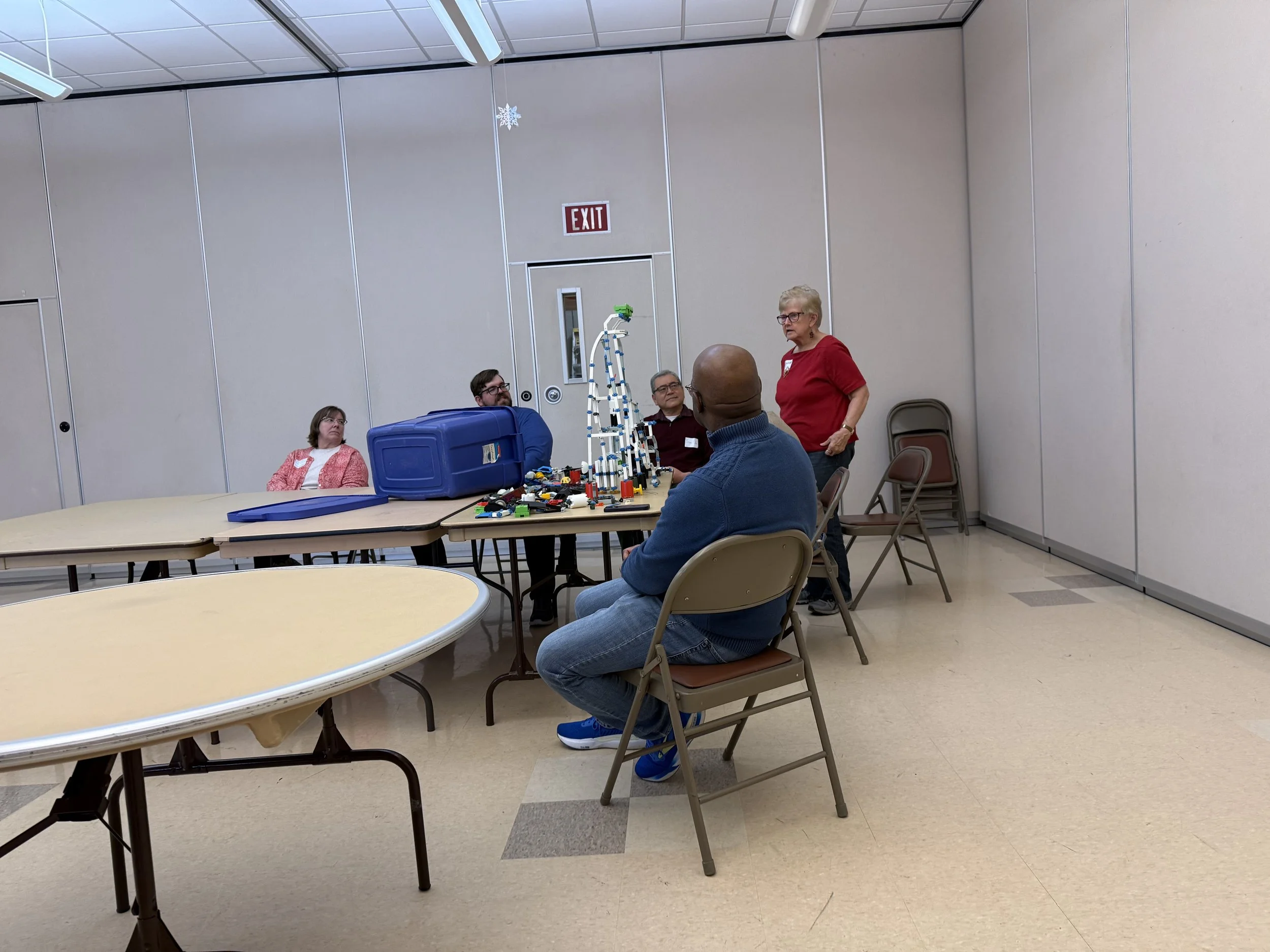
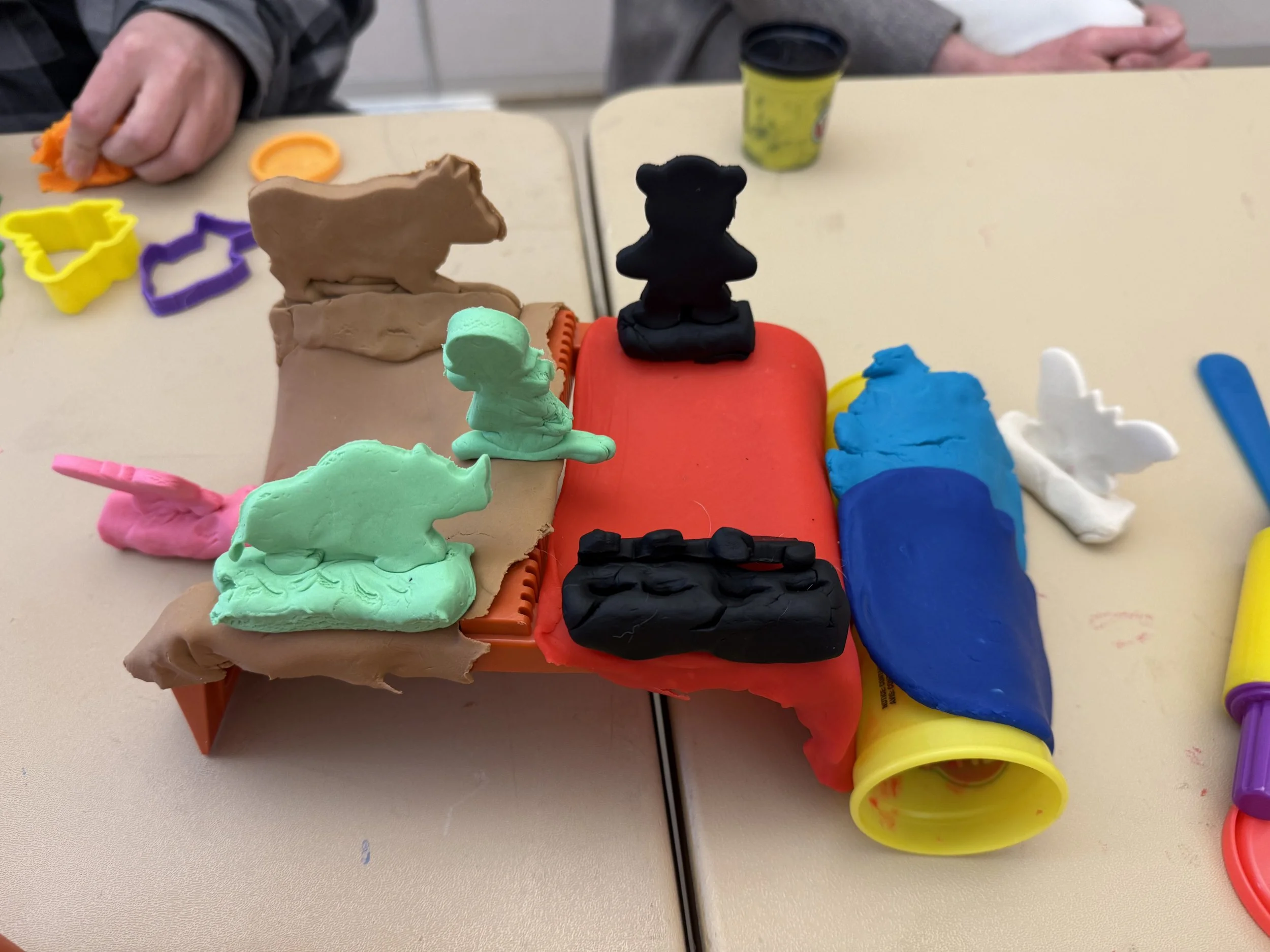
Presbytery of Chicago Office of Faithful Innovation grant workshop at First Presbyterian Church of Wheaton. Photo: Gerald Farinas.