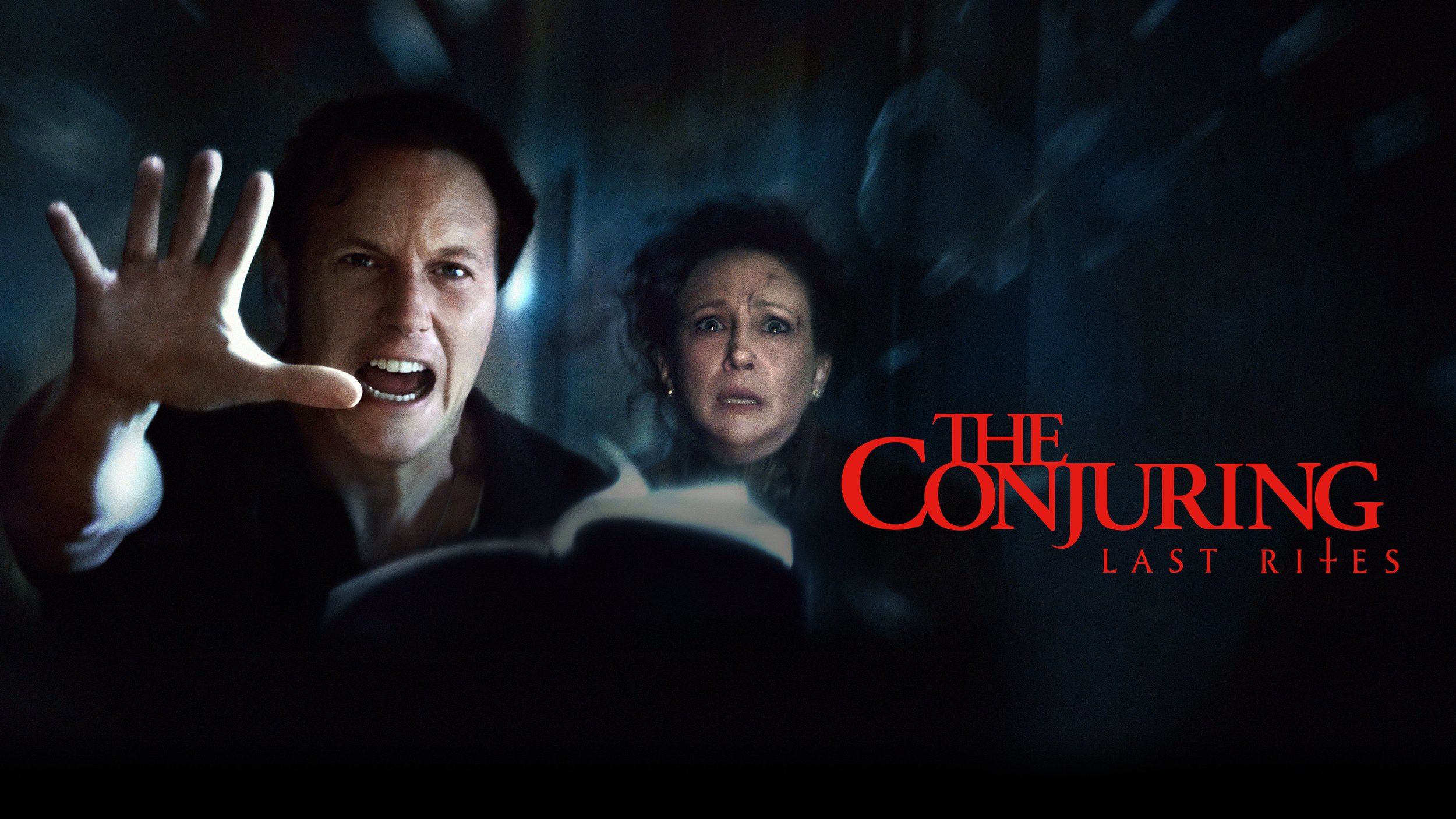
Theatrical release poster. Photo: Warner Bros.
Last night, I joined one of my best friends, David, and Pastor Arnel of Edison Park Methodist, and we watched the latest Conjuring movie, based on the eerie case files of Ed and Lorraine Warren, the famous demonologist couple.
I have always loved supernatural horror movies, not just for the scares but for how they make us face good and evil.
After the credits rolled, I found myself wondering: How do we Presbyterians view exorcism? And how do other religions see it?
As a Presbyterian elder, I take my faith seriously, but I also love exploring mysteries like this.
The Warrens’ stories are full of drama, with holy water, crucifixes, and priests chanting Latin prayers. That is powerful imagery.
But Presbyterianism takes a different approach. We believe evil is real and it affects our world in spiritual and physical ways. Yet we do not have a formal rite of exorcism.
[Though, we’ve been known to call on the local archdiocese or diocese for help in very tough cases.]
We emphasize Christ’s victory over evil, prayer, and pastoral care. If someone felt spiritually oppressed, we would respond with Scripture, prayer, and support, often alongside mental health care.
[Catholics also do emphasize mental health care. They believe exorcism is a last resort and only after intense investigation and discernment.]
Yes, exorcism is biblical and has a place in our faith tradition.
Jesus himself drove out demons, showing that God’s power is greater than evil.
In Mark 1:25–26, Jesus rebuked an unclean spirit, saying, “Be silent, and come out of him!” The man was healed.
Paul reminds us in Ephesians 6:12 that our struggle is “not against enemies of blood and flesh, but against the rulers, against the authorities, against the cosmic powers of this present darkness.”
Evil is real, but so is God’s authority.
Other faiths also address spiritual oppression.
In Islam, imams perform ruqyah, reciting Qur’an verses to drive away harmful jinn.
Judaism has ancient prayers and rituals to ward off evil.
Hinduism and Buddhism use chants and cleansing ceremonies to restore balance.
Many Indigenous traditions, including Native American, Hawaiian, and Filipino practices I’m personally familiar with, use ceremonies, ancestral connections, and storytelling to heal spiritual wounds.
Across faiths, exorcism is about healing and restoring peace.
In Presbyterian life, this is grounded in Christ’s triumph over sin and death, a truth that shapes worship, prayer, and sacraments.
It is not dramatic [for the most part] like in the movies, but it is powerful.
I will keep watching films like The Conjuring for their chills. But I know real spiritual work often happens quietly. It happens in prayer circles, at bedsides, and in communities that support one another.
Evil is real. God’s power to redeem is greater.