Explaining those dance moves in the movie ‘Testament of Ann Lee’
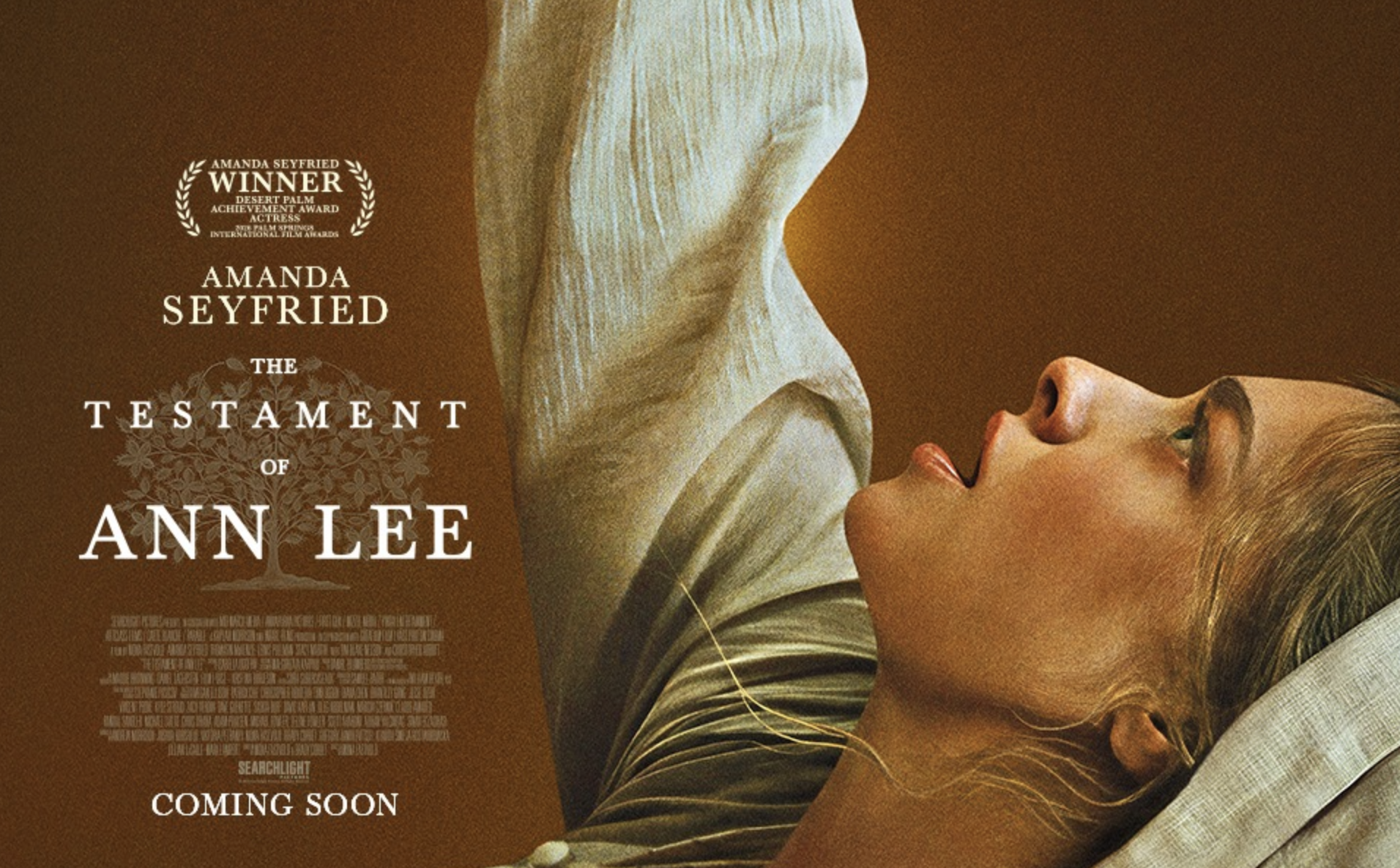
Photo: Searchlight Pictures.
In the recently released trailers for the film "Testament of Ann Lee," viewers are treated to striking visuals of Shakers engaged in intricate, synchronized movement. These scenes depict rows of believers performing highly choreographed steps, their bodies moving in a rhythmic, percussive harmony that feels both ancient and cinematic.
For those unfamiliar with the United Society of Believers in Christ’s Second Appearing, popularly known as the Shakers, these moments might look like a modern dance performance, but they represent a profound expression of communal faith that once flourished across the American landscape.
The movie itself serves as a historical drama centered on the life of Mother Ann Lee, the charismatic leader who brought the Shaker movement from England to the United States in the late 18th century. It explores the challenges the early community faced, including religious persecution and the internal struggles of maintaining a life of celibacy, pacifism, and communal ownership.
By focusing on Lee’s mystical visions and her radical theology of a dual-gendered God, the film seeks to humanize a group often remembered only for their minimalist furniture and quiet simplicity.
However, the "shaking" that gave the group its nickname was far from a random outburst of emotion. In the context of the Church, these dances were a vital form of liturgy. For the Shakers, the body was not an impediment to worship but a tool for it. They believed that physical movement could help "shake" out sin and worldly desires, clearing a path for the Holy Spirit to enter.
Over time, what began as spontaneous ecstatic movement evolved into the highly structured, choreographed marches and circles seen in the film. This shift reflected their theological commitment to order and unity. By dancing in perfect unison, the Shakers were practicing a physical manifestation of their "Gospel Union."
Every step and hand gesture was a prayer, a way to align the individual with the community and the community with the divine. In their worship, the line between the physical and the spiritual vanished, turning the floor of the meetinghouse into a sacred space where movement was as essential as scripture.
It is a historical irony that the term Shaker is now used with such respect and even nostalgia. Originally, the name was a derogatory label used by outsiders to mock the trembling and "shaking" that occurred during their ecstatic worship sessions. Much like the term Quaker, it was intended to cast the group as fanatical or unstable. Rather than rejecting the insult, the United Society of Believers eventually adopted it as a badge of honor, reclaiming a word meant to demean them and turning it into a lasting testament to their vibrant, living faith.