Jesus’ Upturned Tables: There are places, situations where Church has to be political
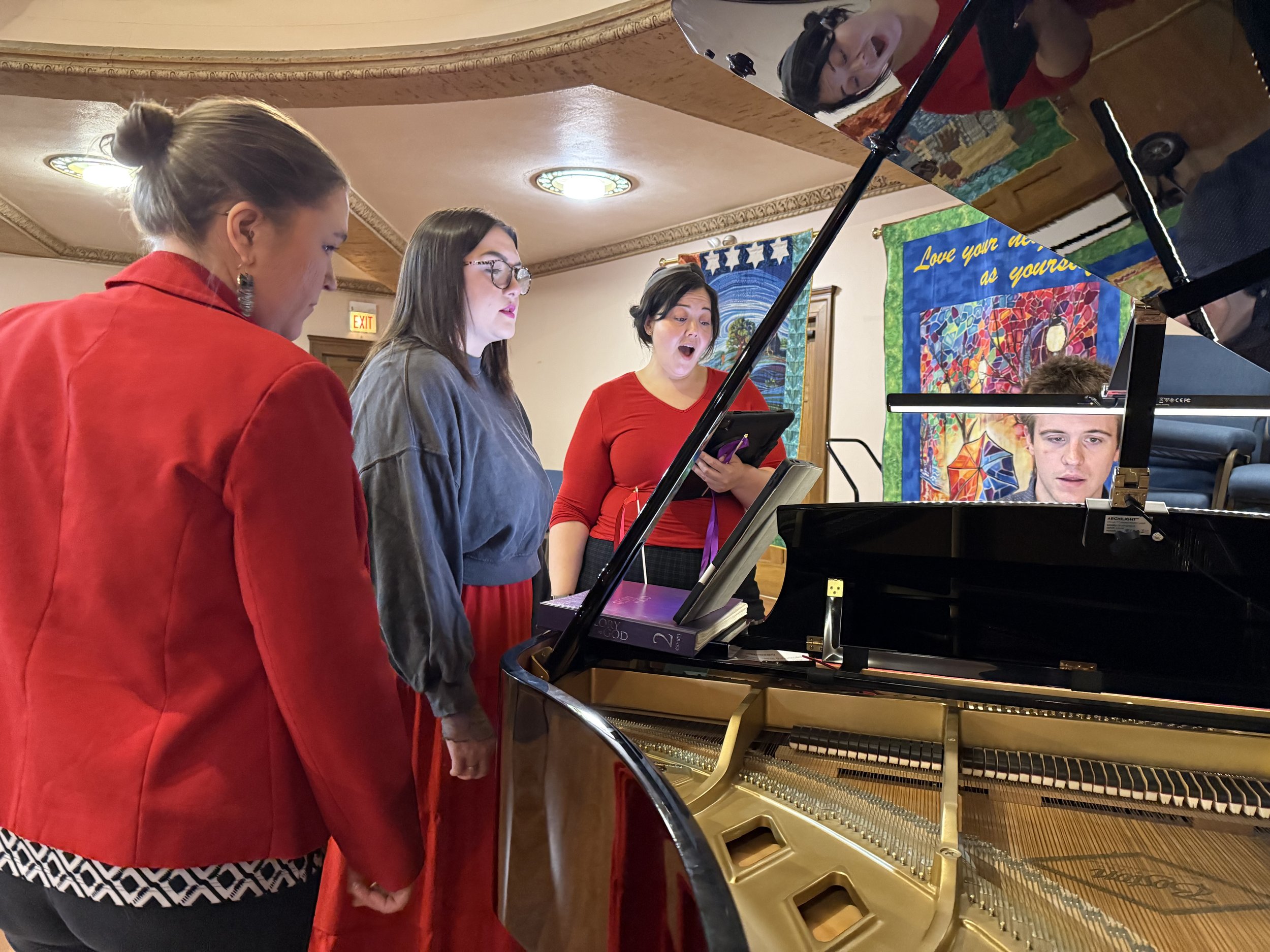
Singing hymns of social care is political. Photo: Gerald Farinas.
When I read the Gospels as a Presbyterian elder, I cannot escape how political Jesus truly was.
He did not run for office, nor did he endorse candidates. Yet every step he took disrupted the politics of his time.
He challenged the Roman Empire’s violence, the Temple establishment’s gatekeeping, and the social norms that marginalized the poor, the sick, women, and outsiders.
To call Jesus “apolitical” would be to strip him of the very context in which his ministry unfolded.
His words, “Blessed are the poor,” and “Blessed are the peacemakers,” were as much a confrontation with worldly power as they were an invitation into God’s kingdom.
In our Presbyterian tradition, we hold to the principle that the pulpit is not a place for partisan endorsements. I cannot, in my role as an elder, tell you which candidate deserves your vote.
But I do believe, deeply, that it is within the keeping of the Gospel to advocate for social issues that align with the mission of Christ.
Our denomination’s Matthew 25 commitment calls us to confront systemic poverty, dismantle structural racism, and strengthen congregational vitality.
These are not political talking points. They are Gospel imperatives.
At Edgewater Presbyterian Church, we live out these imperatives in very real ways. Decades ago, our congregation helped to establish Care For Real, a food pantry that has become a lifeline in Chicago’s Edgewater neighborhood—and now Rogers Park, as well.
What began in the 1970s as a response to rising need has grown into a respected community partner that provides groceries, clothing, and support services to thousands of people every year.
Today, we continue that witness by opening our own space to the Edgewater Mutual Aid Network, which distributes food to neighbors every Saturday.
Each week I watch families come, some with small children in tow, who know they will find dignity and welcome at our doors.
First of all, these acts are not charity. They’re mutual aid. There’s a difference.
Secondly, they are Gospel truth lived out in the face of hunger and want.
But we also recognize that congregations and mutual aid cannot solve hunger alone.
It is not enough for us to share what we have within our walls if we do not also advocate for systems that uphold human dignity beyond our walls.
This is why we raise our voices in support of the government programs that have long provided sustenance for the most vulnerable.
Free and reduced breakfast and lunch programs in schools, WIC assistance for women, infants, and children, and the expansion of SNAP benefits are not luxuries. They are lifelines.
And tied to these concerns, we do call on our politicians to fully fund Medicaid as a minimum standard of care if we cannot yet achieve universal healthcare.
When Jesus overturned the tables in the Temple, he was not only condemning personal sin. He was condemning a system that exploited the poor in the name of religion.
When Jesus healed on the Sabbath, he was not rejecting God’s law but rejecting an interpretation of the law that placed rules over compassion.
When Jesus told the parable of the Good Samaritan, he was not offering a sweet children’s story. He was challenging entrenched divisions of ethnicity, class, and nation.
So I ask myself: if Jesus spoke truth to empire, how can I, as his disciple, stay silent when today’s systems of power crush the vulnerable?
My faith does not allow me to ignore hungry families, broken healthcare systems, racial injustice, or ecological destruction.
To speak of these from the pulpit is not to betray our Presbyterian restraint on partisanship. It is to embody it rightly. For silence in the face of oppression is itself a form of political choice.
Jesus was political because love is political.
Justice is political.
Mercy is political.
As elders, ministers, and people of faith, we may not name candidates. But we must name what Jesus named: the hungry, the imprisoned, the sick, the stranger at the door.
That is our calling.
That is our responsibility.
That is what it means to be a Matthew 25 church.
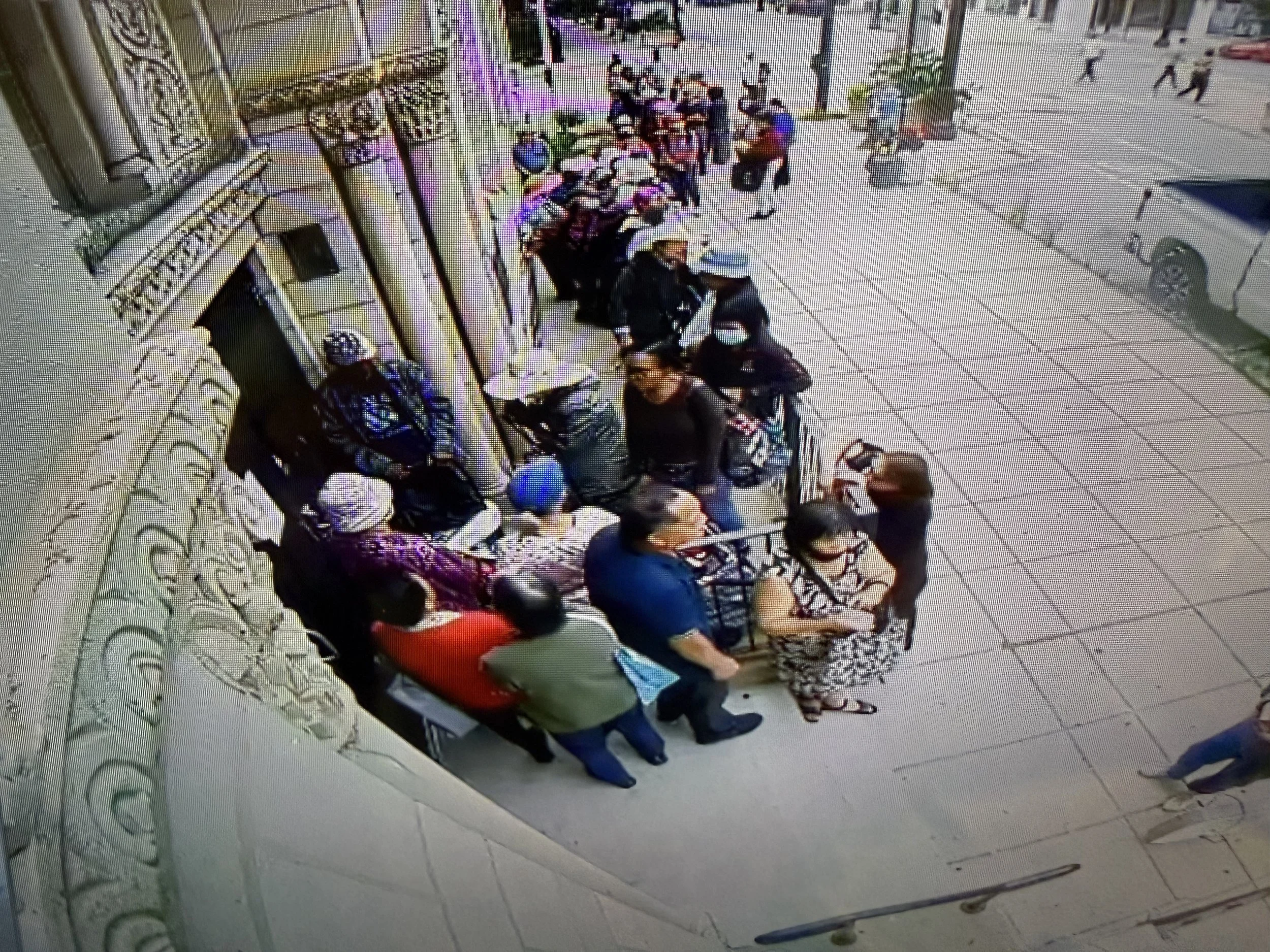
The line for Saturday food distribution at Edgewater Presbyterian Church snakes around the block. Photo: Gerald Farinas.