The Rapture is supposed to happen. Again?
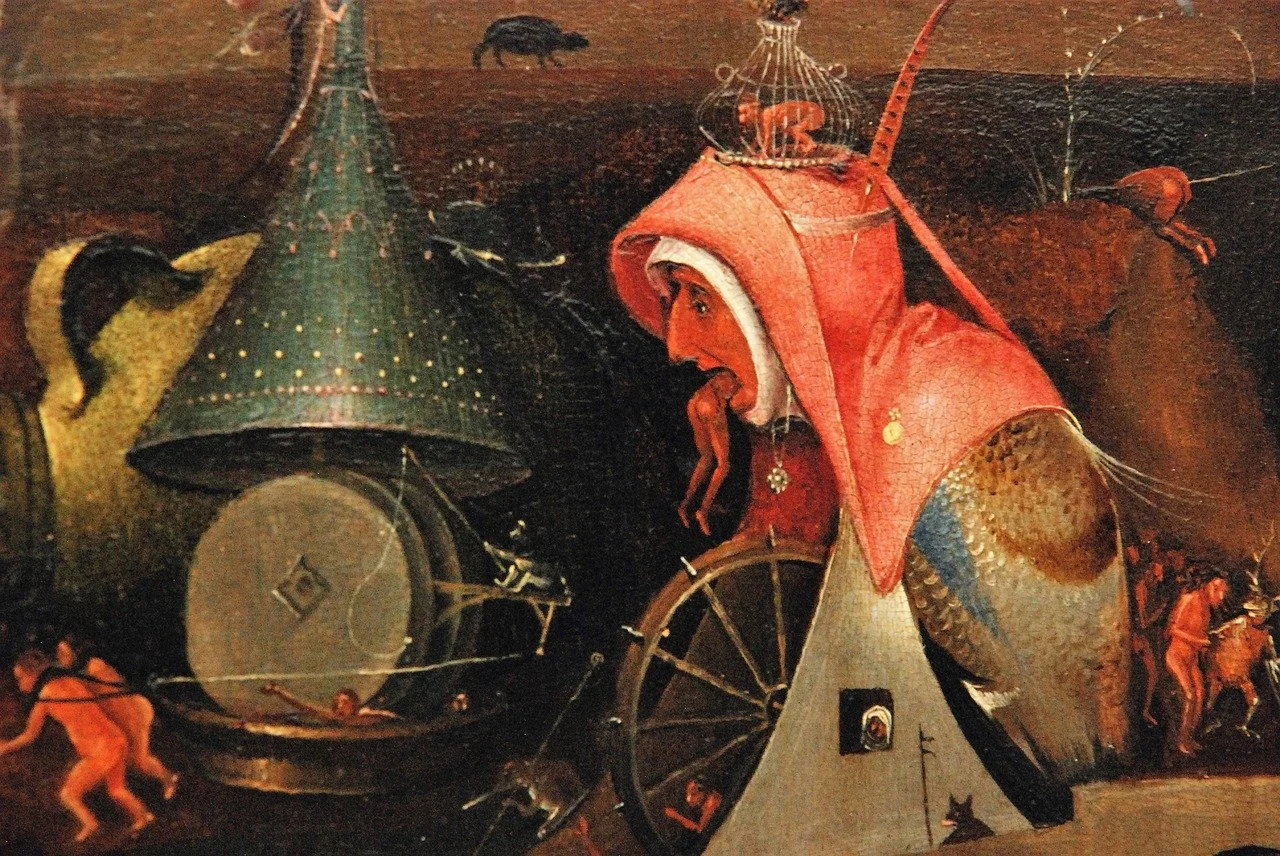
Painting: “The Last Judgement” by Jeroen Bosch.
Listen to the original podcast: https://gerfarinas.substack.com/p/podcast-so-the-raptures-supposed
My friend Allison Mann reminded me this week that all over social media, some folks are doing all sorts of things to prepare for the Rapture—supposedly appointed for tomorrow. Some are selling off property. Some are quitting their jobs. Some are staking everything on the belief that history is about to close.
And we’ve been here before. Again and again.
Back in 1844, tens of thousands of people gathered across the United States, convinced the end of the world had come. They sold their possessions, put on white robes, and waited on hillsides. When nothing happened, it became known as the Great Disappointment. Out of that wreckage came a new faith tradition—the Seventh-day Adventist Church—built around the yearning for Christ’s return, even after one of the most famous failed predictions in history.
And it didn’t stop there. For centuries, Christians and non-Christians alike have circled dates on calendars, proclaiming the end was near. Each time, the day passed like any other.
And it’s not just religion. Remember Y2K? Midnight of January 1, 2000 was supposed to bring global collapse. Food was stockpiled. Generators were bought. Planes were said to be doomed. But when the sun rose on January 1st, life carried on.
Or the Mayan calendar in 2012. A Hollywood movie. Doomsday bunkers. Prophecies shared across the internet. December 21st came and went. The world did not end.
And then there is the very real shadow of nuclear annihilation. In the Cold War, we practiced “duck and cover” drills in schools. We were told one button could erase humanity in an instant. The fear was real. The threat was real. And still, the world continued.
What all of this tells us is something deeper: we humans live with a constant anxiety about the end. Sometimes it’s religious. Sometimes it’s technological. Sometimes it’s geopolitical. But the longing is the same: to know when the curtain falls.
And today, it takes new forms. Some fear authoritarianism will strangle democracy—that freedoms we’ve taken for granted are already slipping away. Others fear climate collapse—that floods, fires, and heat waves are signs of the world unraveling in slow motion. Still others see inequality, poverty, and violence as proof that society is already in its last days.
And maybe they’re right to be worried. Authoritarian leaders really do rise. Climate change really does reshape the earth. Economies really do tilt against the vulnerable. The end doesn’t always come with a trumpet blast. Sometimes it comes in slow erosion. Sometimes it comes with silence.
But maybe the question isn’t when the end will come.
Maybe the question is how we live in the meantime.
There’s an ancient teaching in the Gospel of Matthew, chapter 25. And you don’t need to be religious to hear its wisdom. It says the measure of our lives is not in predictions or countdown clocks. It’s not in whether we guessed right about tomorrow. It’s in whether we fed the hungry. Whether we gave water to the thirsty. Whether we welcomed the stranger. Whether we clothed the vulnerable. Whether we cared for the sick. Whether we showed compassion to those the world forgot.
That’s preparation. That’s what matters when tomorrow comes—or doesn’t.
And it matters beyond faith. It matters in a democracy where authoritarianism threatens to silence the voices of the weak. It matters on a planet where climate collapse threatens the most vulnerable first. It matters in economies where wealth is hoarded and poverty multiplies.
So when people ask, how do we prepare?—maybe the answer is this:
Prepare by showing compassion.
Prepare by practicing justice.
Prepare by caring for one another as if tomorrow truly mattered.
Because here’s what’s certain: if the world ends tomorrow, those are the things that will matter.
And if the world doesn’t end—if we wake up to another ordinary morning of alarm clocks, inboxes, and commutes—those are still the things that matter.
That’s the rhythm to remember:
They matter if the world ends.
They matter if the world continues.
They matter today.
They matter tomorrow.
So when the next date comes—and it will—let it pass. History shows it always does.
Instead, let’s put our energy where it lasts: in keeping hope alive, in using our gifts for the good of others, in shaping lives measured not by fear of the end, but by kindness in the present.
Because here’s the truth—and it’s the theme of this whole Shadows of Empire project: our obsession with the end of the world often blinds us to the empires already at work in our world. It distracts us from seeing how systems of power—authoritarian, economic, colonial—erode justice and dignity every single day. The danger isn’t only in some cataclysm tomorrow. The danger is in what we fail to resist today.
Maybe the real preparation, then, is not waiting for an apocalypse from the sky, but resisting the slow-motion apocalypse of empire here on earth. Not for the world to break apart, but for us to break open—to one another.
And maybe that’s the point.