War on Christmas? Commemorating the holiday is not necessary for salvation
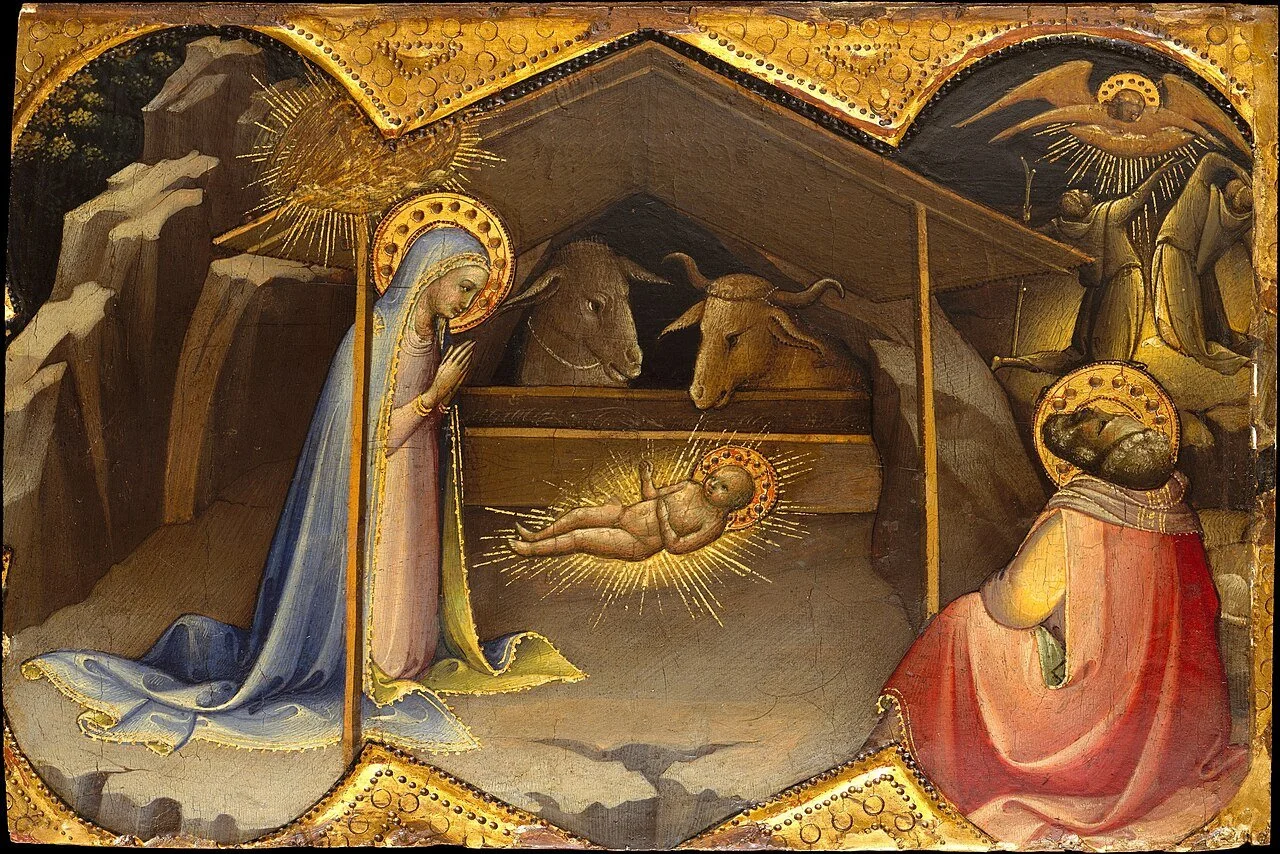
Painting by Lorenzo Monaco.
The conversation around the so-called "War on Christmas" has become a predictable part of our winters. In many of our pews and social circles, there is a loud demand that we fight to keep the holiday central in the public square.
We hear that saying "Happy Holidays" is a sign of spiritual decline or that a lack of nativity scenes in front of city halls is an attack on our identity.
There is a lot of pressure to defend the tradition as if the faith itself depends on how many people say "Merry Christmas" back to us at the grocery store.
But as we look at this through the lens of our tradition, we have to ask if this combativeness actually reflects the heart of the Gospel.
In the Reformed tradition, we lean heavily on the idea that God’s grace is sovereign and his work is complete. When we get caught up in these cultural skirmishes, we often forget that the commemoration of Christmas is not actually necessary for the gift of salvation.
The birth of Jesus changed everything because of what God did, not because of how well we celebrate it. Our salvation is secured by the life, death, and resurrection of Christ. While the liturgical season is a wonderful time for us to gather and remember that mystery, the gift remains true whether the culture recognizes it or not.
When we insist on our right to be centered in the culture, we might actually be moving away from the humility of the incarnation. Jesus didn’t arrive with a demand for recognition from the Roman Empire or the religious establishment. He arrived in a stable to a family that found no room at the inn.
If the Savior of the world was content to begin his earthly ministry in obscurity, we should probably be less anxious about our own cultural status. Our role as elders and as believers isn't to police the greetings of our neighbors, but to live in a way that shows the fruit of the peace Christ brought.
If we stop viewing the season as a territory to be defended, we can start seeing it as a reality to be inhabited.
The grace offered through the birth of Jesus is a finished work. It is robust, it is eternal, and it is entirely independent of whether or not a corporation uses the right branding in December.
We can let go of the rhetoric of grievance and simply rest in the fact that the light has come into the darkness. That truth is enough, and it doesn't require a cultural victory to make it any more powerful or any more saving.