Jimmy Carter: Maintaining a moral compass when there are easy ways out

Photo: Chester L. Roberts via Wikimedia Commons.
I often think about the idea of a moral compass. We talk about it as if it is easy to follow when the path is clear and the sun is out. But the real test of our values happens when we are struggling.
It is easy to be honest when you have plenty of money and everyone likes you. It is much harder when you are facing failure and the world tells you that your integrity is the only thing standing in the way of your security.
In 1982, Jimmy Carter was in this exact position. Just a year and a half after losing his job as president, he and his wife Rosalynn returned home to find their lives in a mess. The peanut business they had worked on for years was deeply in debt, and they were facing the possibility of losing everything.
In our society, a former president is expected to become rich by joining corporate boards or giving expensive speeches.
[One of my favorite comedy movies makes fun of this in My Fellow Americans starring Jack Lemon and James Garner.]
For Jimmy, the solution to all his money problems was right there. He could have traded his famous name for a fortune, and many people thought he was being foolish for not doing so.
From my perspective, there is a specific kind of pain that comes with this kind of crossroads. It is so easy to wallow in my own troubles when I feel misunderstood. I find myself pulling away, refusing to ask for help because I know that the help offered will come with a price.
Usually, that price is being told to do what everyone else is doing. People love to offer "practical" advice that feels like a slow death to the soul. It is lonely to stand in the wreckage of your own life and say no to an easy exit because it doesn't align with who you are.
This creates a difficult choice. When your family is worried and your bills are piling up, people will tell you to be practical. They will say that making a few compromises is just part of life.
[I’m gonna keep calling him Jimmy because that’s what he wanted to be called by us.]
But Jimmy saw his time in public office differently. He believed that the trust people put in him was not something he should sell later for personal gain. To him, being a former president meant he had an even greater duty to act with honor, even if it meant being broke.
Choosing to help others instead of helping yourself when you are struggling is a radical act. Instead of taking the easy path to wealth, Jimmy and Rosalynn decided to start the Carter Center.
At the time, their friends thought they were being unrealistic. How could a couple who was nearly bankrupt start a major organization to help the world?
They did it because they believed that a meaningful life is built on purpose rather than a bank account. They wanted to use their influence to help people who had no power at all.
Today, the Carter Center is a perfect example of why that difficult choice mattered. It has done incredible work that most people thought was impossible. For instance, the Center had led the fight to wipe out Guinea worm disease, taking a sickness that once affected millions of people and bringing it to the edge of total extinction. They had also traveled the world to make sure elections were fair and peaceful in countries that were struggling with democracy like in Panama and Cuba.
Jimmy’s life reminds me that our legacy is not defined by how much we own, but by what we refuse to give up. While he could have faded into a comfortable life of wealth, he chose a path that made him one of the most respected people in the world long after he left the White House.
It shows me that the limits of what we can achieve are often set by our own fears. When we stop worrying about being popular or rich, we find the freedom to do work that actually changes the world.
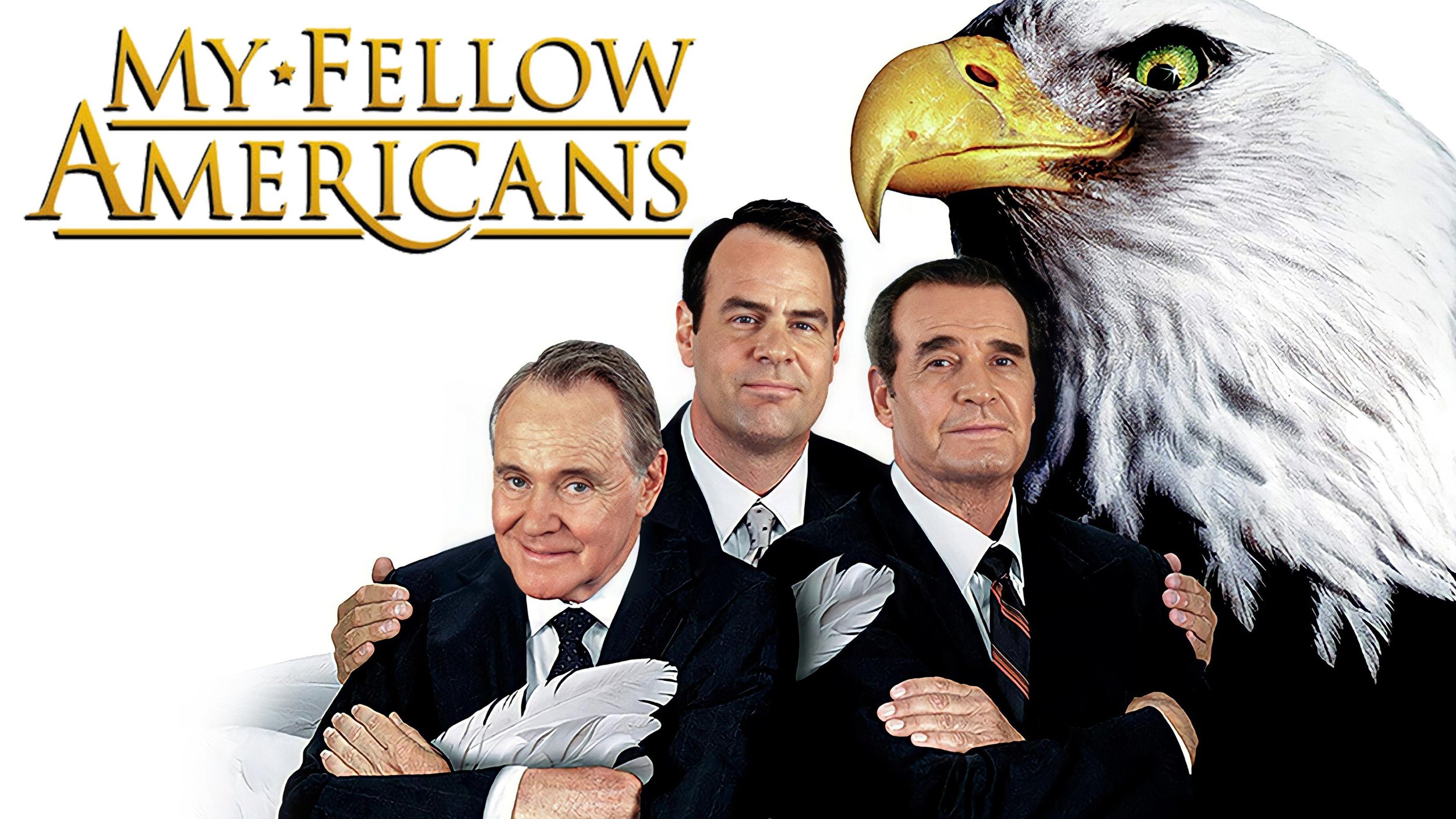
Photo: Warner Bros.