Incense seems to be returning to Reformed churches after centuries of absence
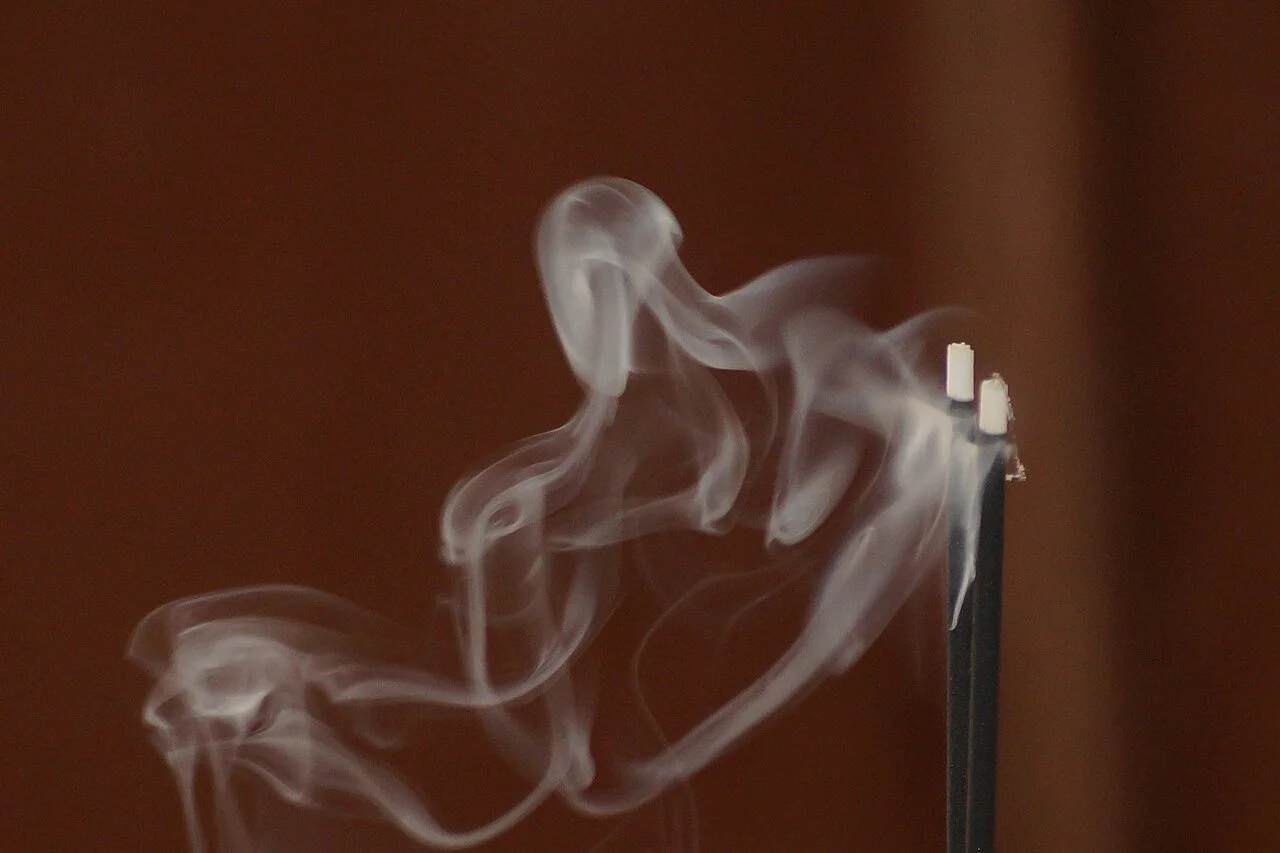
Photo: Wikimedia Commons.
I recently stepped into a local sanctuary that, at first glance, felt quintessentially Presbyterian. There were high wooden pulpits, simple stained glass, and the familiar Communion table empty of decor except for a cup and plate.
But as I walked down the center aisle, I was met with a scent that felt unexpected in a Reformed space. Tucked away on a side table near the baptismal font was a simple ceramic bowl filled with sand, holding a few smoldering incense sticks.
There was no elaborate gold censer or clouds of thick smoke, yet the gentle fragrance completely shifted the atmosphere of the room. It felt as though the air itself was heavy with the weight of prayer, a small but intentional signal that this was a space set apart for the holy.
This experience got me thinking about our history as Presbyterians. For centuries, our tradition has been characterized by a plainness of worship, a deliberate stripping away of the sensory ornaments that define the Roman Catholic or Eastern Orthodox traditions.
For most of us, incense is something we might encounter at a funeral in a different denomination or perhaps at a high-church Anglican service like at our neighboring Church of the Atonement in Edgewater, but rarely in our own sanctuaries.
Yet, as we see more Reformed congregations experimenting with these ancient tools, it is worth asking why we left them behind and why some are now finding their way back.
The absence of incense in the Presbyterian tradition wasn't an accident or a matter of mere preference. It was a deeply theological choice made by the Reformers. Men like John Calvin looked at the elaborate rituals of the medieval church and felt they obscured the simplicity of the Gospel.
Those Reformed fathers viewed incense through the lens of Covenant Theology, arguing that it belonged to the ceremonial law of the Old Testament. In the Tabernacle and the Temple, the rising smoke was a physical type or shadow of the intercession of Christ. Once Christ came and offered himself, the Reformers believed the shadow was no longer necessary because the reality had arrived.
This was further reinforced by the Regulative Principle of Worship, which I’ve mentioned in previous blogs, a hallmark of our tradition which suggests that we should only do in worship what is explicitly commanded in the New Testament.
Since the New Testament highlights the incense of the heart and the prayers of the saints rather than a physical requirement for burning resins, Presbyterians opted for a service centered almost entirely on the spoken Word and the simple administration of the Sacraments.
Despite this history, we are living in a moment of liturgical renewal. Many of us are realizing that humans are not just brains on sticks. We are physical beings who experience the world through our senses.
The movement toward "Ancient-Future Worship" suggests that our faith can be deepened when we engage more than just our ears and our intellect.
Just as we use the visual beauty of flowers—or the giant Theotokos icon by the Rev. Nanette Sawyer in our own Sanctuary—or the auditory beauty of a choir to glorify God, some believe that the sense of smell can be a powerful gateway to the divine.
[Our Reformed fathers also banned decor like flowers and stained glass, and choirs singing hymns.]
In the Book of Revelation, the Apostle John describes a heavenly liturgy where an angel stands before the throne of God with a golden censer, and the smoke of the incense rises with the prayers of the saints. When a modern Presbyterian congregation chooses to use a bit of incense, they aren't trying to go back to the Old Law. Instead, they are often trying to mirror that heavenly vision, making the invisible reality of our prayers a bit more visible and tangible for the person sitting in the pew.
There is also a beautiful piece of symbolism in how incense is used to honor people. In traditions that use incense, the priest often censes the congregation. While this might feel foreign to us, it carries a powerful message: every person in that room is a temple of the Holy Spirit. By censing the people, we acknowledge the dignity and the sacredness of our neighbors.
Whether it’s the use of simple incense sticks to set a prayerful mood or the occasional use of a censer during a high holy day like Christmas Eve, these practices remind us that our worship is a full-bodied experience.
We are finding that we can honor our Reformed roots while also reaching back into the deep well of the global church’s history. It is an invitation to slow down, to breathe deeply, and to remember that our prayers, like the smoke, are always ascending to a God who hears us.