Theology 101: With paranormal investigators invoking the Archangel Michael, do we Presbyterians believe in archangels?
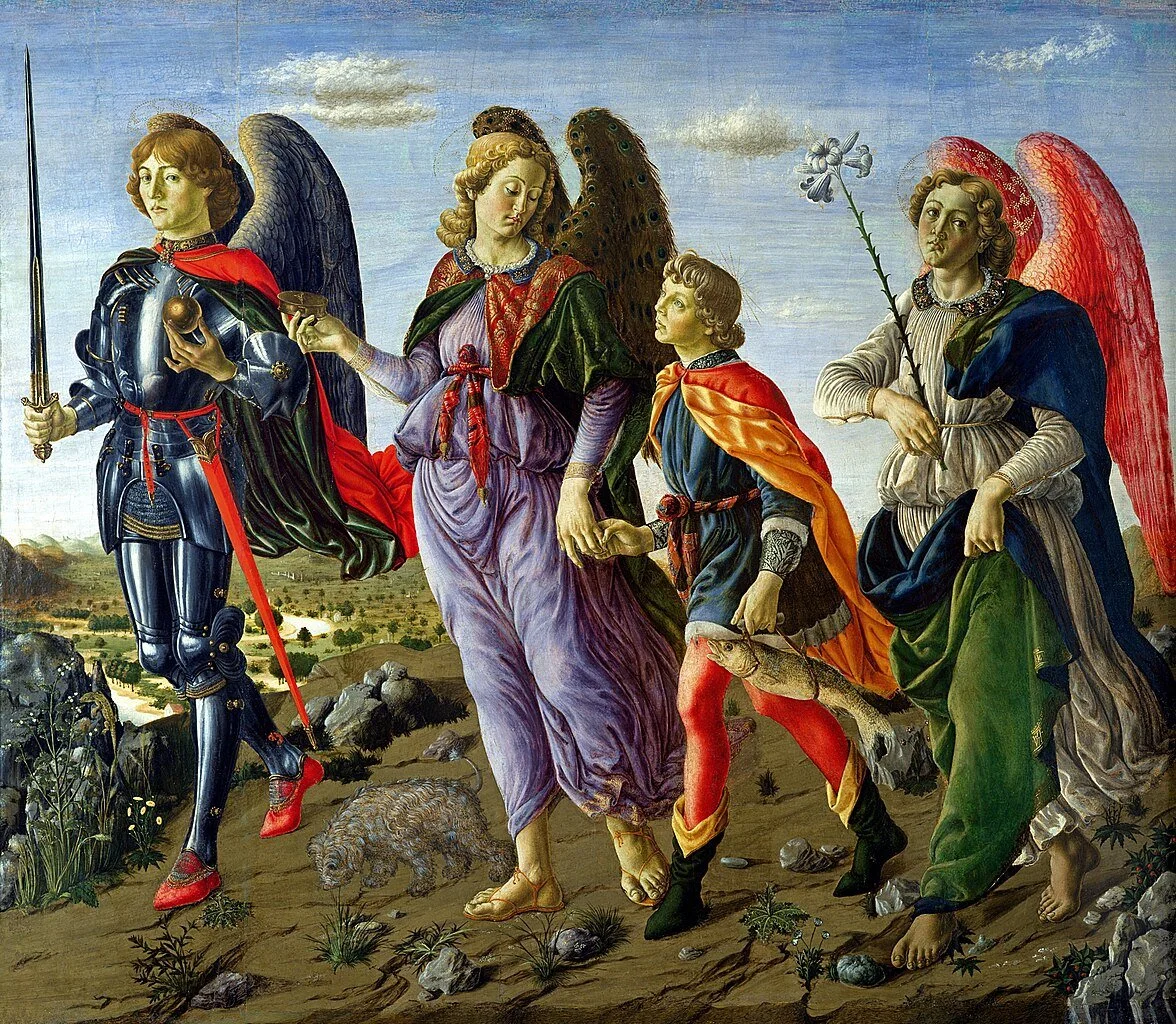
Archangels Michael, Raphael, and Gabriel. Painting: Francesco Botticini.
With so many paranormal shows and older spiritual traditions mentioning prayers to Archangel Michael for defense against evil, it is natural to ask where we stand.
I found this question on Reddit today, “With paranormal investigators invoking the Archangel Michael, do we Presbyterians believe in archangels?”
The short answer is, yes. We affirm the Archangel Michael is real, but Presbyterians do not pray to him or any other angel.
Here is a breakdown of the Reformed and Presbyterian Church (USA) perspective on angels and spiritual warfare.
Michael is biblical, but not our mediator
As Presbyterians, our faith is defined by the Bible alone or Sola Scriptura.
The Bible mentions the Archangel Michael twice by name, giving him the title "archangel" (Jude 1:9 and 1 Thessalonians 4:16).
He is clearly a chief or high-ranking angel appointed by God for mighty tasks, including leading the heavenly host in spiritual battle (Revelation 12).
So, yes, we believe he exists as a powerful ministering spirit.
The key difference is our understanding of worship and mediation.
The Bible consistently reserves worship, praise, and prayer for God alone Father, Son, and Holy Spirit.
When people in Scripture encountered angels, the angels themselves always corrected them and directed them to worship God (Revelation 19:10).
Our theology teaches that Jesus Christ is our exclusive mediator (1 Timothy 2:5). He is the only one who stands between us and God the Father.
Asking an angel or a saint to intercede for us would infringe upon Christ's unique role and the sufficiency of his work on the cross.
In short, Michael is God's mighty servant, but he is not a partner in the Godhead, and he is not our bridge to the Father.
Our stance on spiritual warfare
We absolutely believe in spiritual warfare and the need for defense against evil (Ephesians 6:12).
However, our defense strategy focuses solely on God's power and Christ's authority. When facing evil, we pray directly to God, asking Him to send His angels to protect us, or asking that Christ's victory on the cross would shield us from the devil's snares.
Our defense is rooted in using the spiritual armor described in Ephesians 6: the belt of truth, the breastplate of righteousness, the shield of faith, and the sword of the Spirit (which is the Word of God).
We stand firm in the knowledge that Christ has already defeated the devil, and all spiritual powers are subject to his Lordship. We defeat evil by proclaiming the power of Christ's finished work, not by invoking the power of a created being.
The prayers you hear mentioning Michael are a devotional practice rooted in other traditions, primarily Roman Catholicism and Eastern Orthodoxy. While these prayers often do acknowledge that Michael's power comes from God ("May God rebuke him, we humbly pray..."), the practice of petitioning Michael is not part of the Presbyterian or broader Reformed understanding of how believers approach God.
In conclusion
As Presbyterians, we affirm the biblical truth that Michael the Archangel exists and plays a powerful role in God's divine drama. But when the battle is raging, we go to the one who commands Michael: Jesus Christ, our Lord and only mediator.