What does ‘come as you are’ mean?
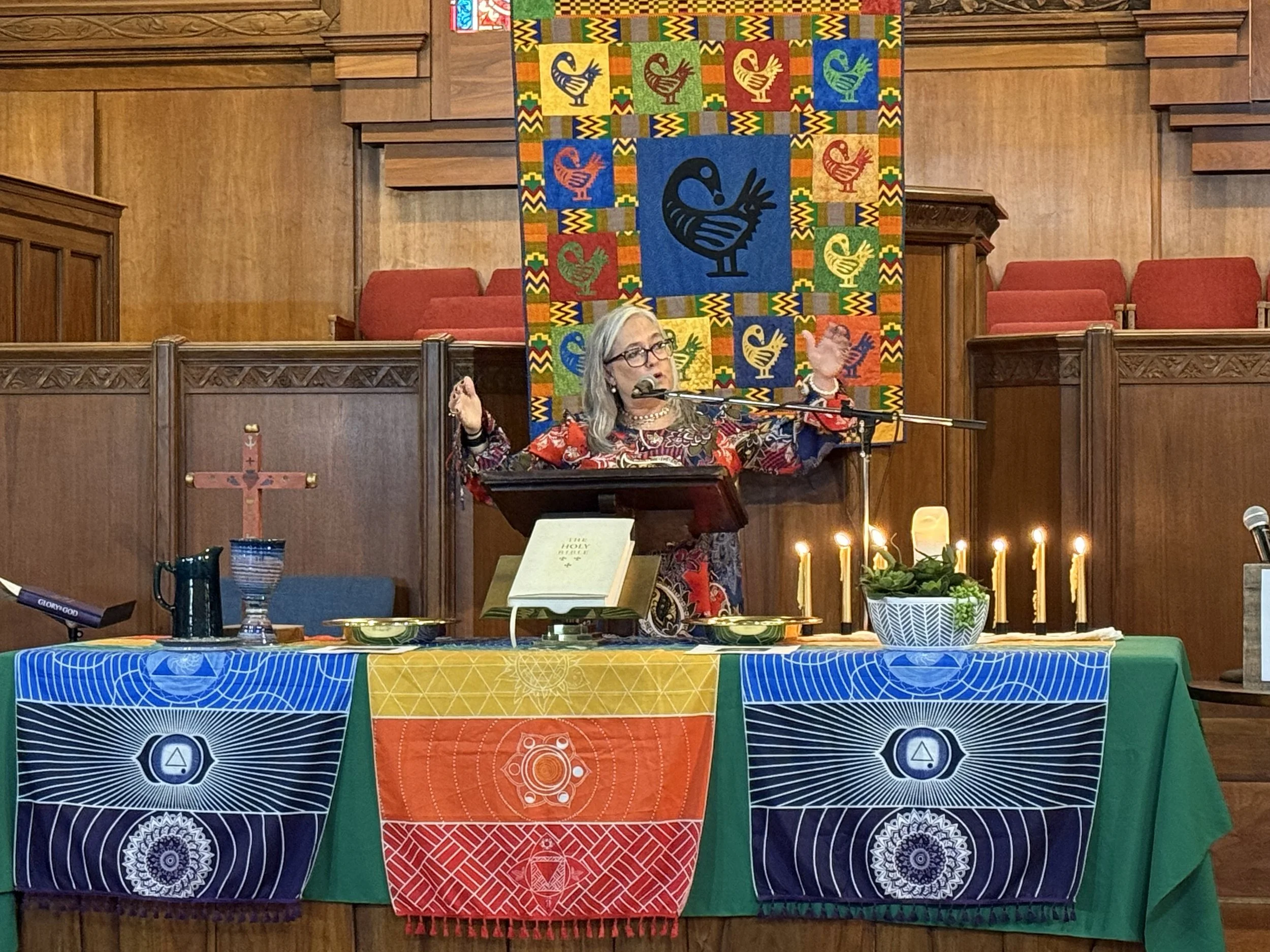
Photo: Gerald Farinas.
When you walk past Edgewater Presbyterian Church or hear a greeting from the Chicago Presbytery, you usually hear some version of the phrase "welcoming church" or “accepting church.” Our sister denomination, the Evangelical Lutheran Church in America (ELCA) uses “reconciling church.”
Most of us have been trained by years of polite society and institutional religion to hear these phrases as marketing slogans. We assume they are a gentle way of saying that we are inclusive spaces, or that we have checked the boxes of modern hospitality. We think of the specific groups we have historically worked to include, like our LGBTQ friends and family, our neurodivergent neighbors, or people moving through the world with different physical abilities.
But when Rev. Kristin Hutson or our elders say a similar greeting, “Come as you are!” we are aiming for something much more immediate and much more radical than simple institutional welcome.
To "come as you are" is an invitation to bypass the performance of preparation. We live in a culture that demands a high level of curated readiness.
We feel like we need to have the right clothes clean and pressed, or the right headspace achieved through a quiet morning, or even just a baseline level of emotional stability before we step into a sacred space. We treat church like a destination that requires a certain "vibe" or a specific type of energy.
But the core of our faith suggests that the divine doesn't wait for you to get your act together. If you are grieving, or messy, or running late, or wearing the only shirt that was clean at the bottom of the hamper, that version of you is exactly who we want to see.
This invitation is about removing the barriers of "thinking about it." So often, the transition from our homes to the Sanctuary is stalled by the mental checklist of what we lack.
We think we don't have the time to reflect properly, or we don't have the theological certainty to belong, or we simply don't have the strength to put on a mask of wellness.
When we say "come as you are," we are literally saying that you don't need a lead time. You don't need to be prepared. You don't need to be “ready" to go. The door is open for the person you are in this exact second, not the person you hope to be by next Sunday.
Aesthetics [dressing for church] is nice, don’t get me wrong. Ultimately, this is a call to authenticity over aesthetics.
We are actually not interested in the polished version of your life. We are interested in the humanity that exists right now, in all its chaotic and unwashed glory.
If you are tired, come tired. If you are skeptical, come skeptical. If you don’t believe everything the Church says, come. If you just realized you have an hour free and you're still in your gym clothes or your work uniform, just come.
The grace we talk about isn't something you earn by showing up prepared; it is something that meets you exactly where you stand, especially when you feel the least ready for it.