Zwingli and the sausages—Presbyterian roots
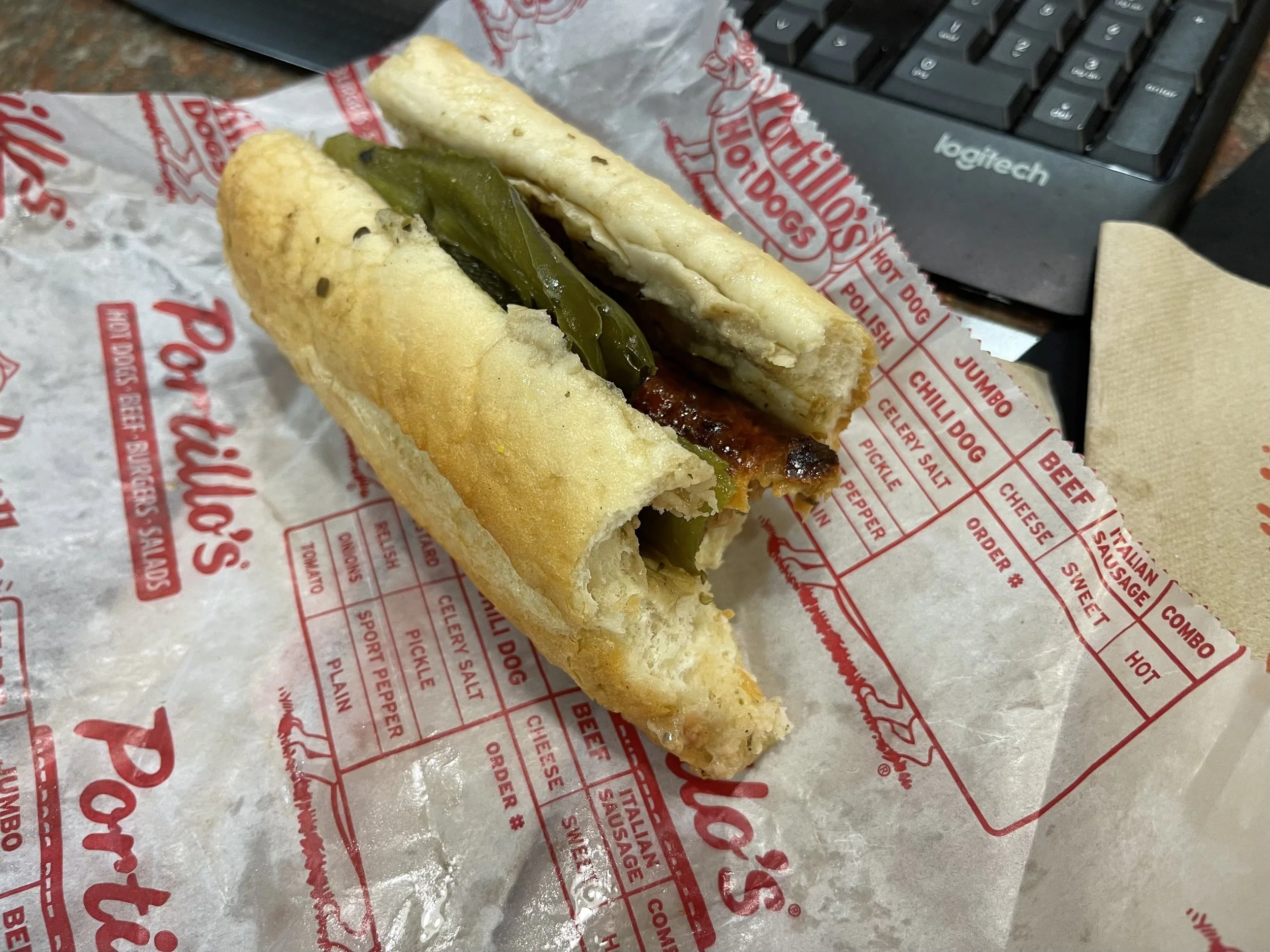
Photo: Gerald Farinas.
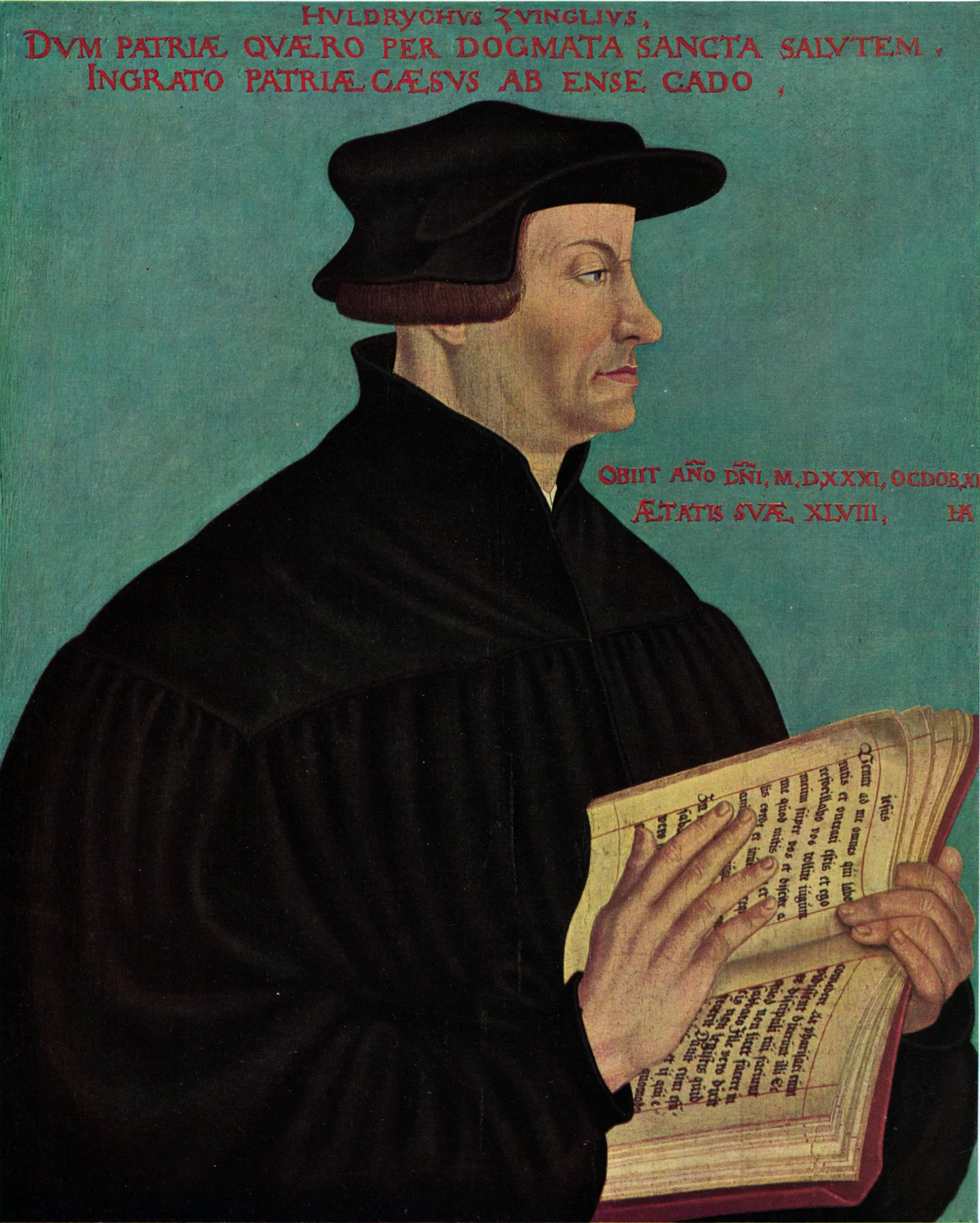
Portrait of Zwingli, who would be willing to eat a Portillo’s sausage with peppers during Lent. Credit: Hans Asper.
The Reformation in Switzerland did not start with a high-brow debate or a fancy scroll. It actually started with a snack!
Back in 1522, during the very serious season of Lent, a group of friends gathered at a printer’s house in Zurich for a secret sausage party. Among the guests was Huldrych Zwingli, a Catholic priest with a sharp mind and a very rebellious stomach. This little gathering would eventually help grow the roots of the Presbyterian Church (U.S.A.).
At the time, the rules about fasting were not just suggestions from the Catholic Church. They were actual laws backed up by the government. If you got caught eating a bratwurst during Lent, you were not just in trouble with the priest. You could be fined or even tossed in jail by the aldermen in the City Council.
By slicing into those sausages, Zwingli and his pals were making a bold statement: Show us in the Bible where it says we cannot eat meat.
Shortly after the party, Zwingli preached a sermon with a title that sounds like a modern food blog: "Regarding the Choice and Freedom of Foods."
He argued that the Gospel is about freedom, not a checklist of what is in your lunchbox. He believed that if a rule is not found in the Bible, the Church and the government have no business forcing it on people.
This idea, that the Gospel is our ultimate guide, is a huge part of why the PC(USA) looks the way it does today.
This sausage protest was not just about being hungry. It was about who gets to be the boss of your faith. Zwingli wanted a simpler way of being the Church, one where the Sacraments and daily life were focused on the Word of God rather than human-made rules.
He thought that faith should be clear and accessible. This led to big changes like simplified worship and a focus on teaching everyone, not just the experts, how to read the Bible.
I should note that historians don’t think Zwingli actually ate the sausages at that radical event. He most likely personally kept the fast but protested against the principle of forcing people to fast.
Because of that one dinner, the Reformation spread far beyond Germany. Zwingli helped create a tradition that values individual conscience and local community.
Today, when we talk about the freedom to follow our hearts and the Bible, we are basically saying thank you to a group of guys who decided that a smoked sausage was worth a revolution.
It turns out that sometimes the best way to stand up for the Gospel is to sit down for a meal.