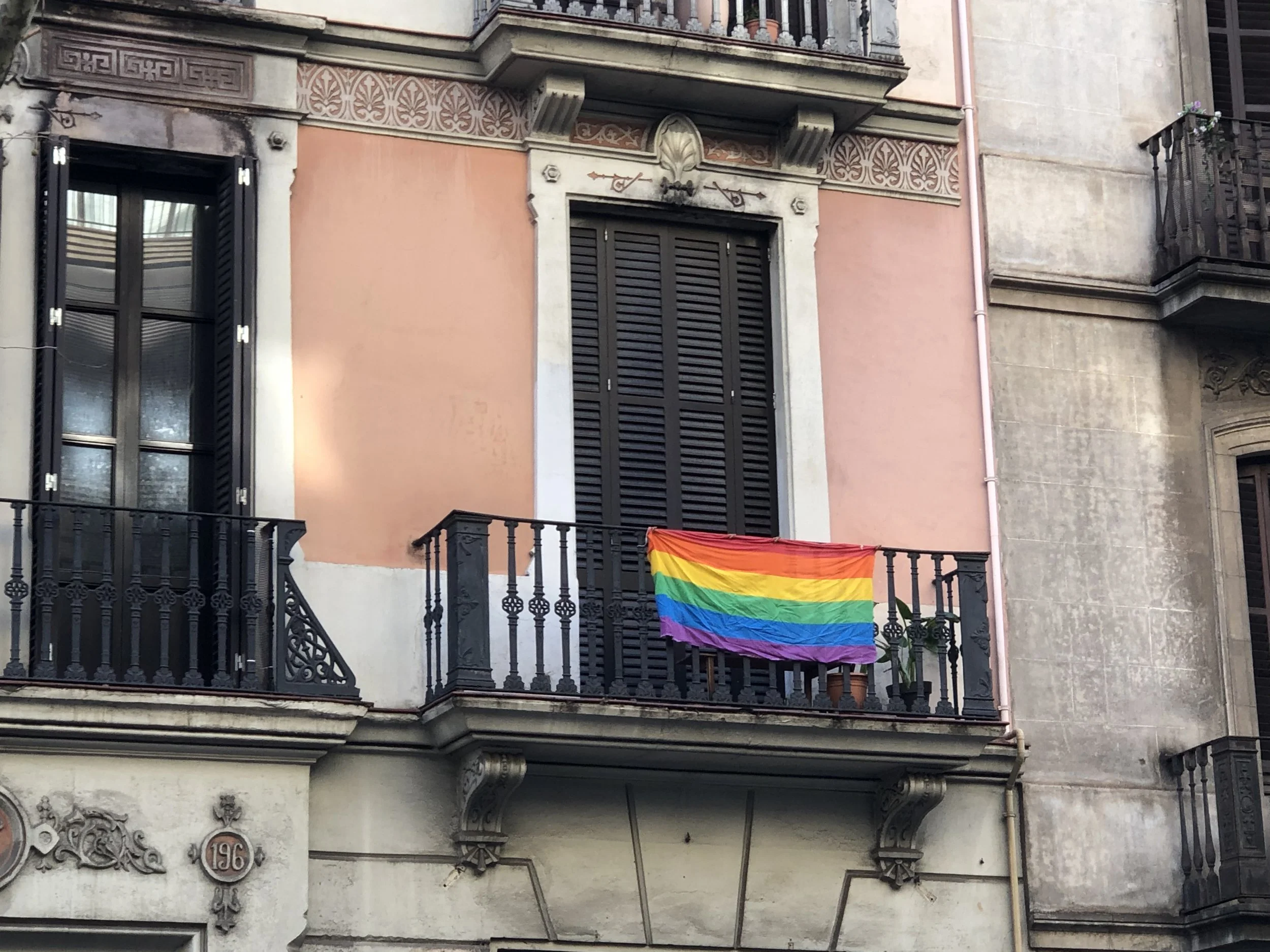
Photo: Gerald Farinas.
This past Sunday, Rev. Kristin Hutson led an interview-style sermon with music director Allison Mann.
In sharing her faith journey, Allison spoke of inclusivity as a central part of her Christian experience. She emphasized that churches must not turn people away for any reason, including being LGBTQ.
As Presbyterians, this resonates deeply. The Presbyterian Church (USA) has formally codified LGBTQ inclusion, allowing LGBTQ persons to serve in leadership and pastoral roles.
Yet, for many of our siblings in Christ, particularly those in the Roman Catholic Church, the journey toward inclusion is moving slowly.
Slower than molasses
The Catholic Church, our ancestor Church, is a massive institution, and systemic change often feels slower than molasses.
[Mass was not said in the English language in the U.S. until August 24, 1964 in St. Louis, Mo.]
Still, during his papacy, the late Pope Francis took unprecedented steps forward.
He refused to expel openly gay priests, allowed priests to bless same-sex couples (even if these blessings were carefully distinguished from marriages), and introduced “synodality.”
This new process for church decision-making called “synodality” placed more power in the hands of lay people, much like our Presbyterian tradition of shared governance.
For LGBTQ Catholics, this was a sign that their voices might finally be heard. It also opened doors for non-Western churches and women to influence the Church’s direction.
Opposition
Not everyone has welcomed these reforms. Cardinals Robert Sarah and Raymond Burke, two of the strongest voices against LGBTQ inclusion and women’s leadership, openly questioned Francis’ papacy.
They hoped the new pope, Leo XIV, would roll back these changes.
But Leo surprised them.
Instead of dismissing Cardinal Victor Manuel Fernandez, the Francis-appointed head of the Dicastery for the Doctrine of the Faith, who is open to marriage equality and greater roles for women, Leo kept him in place.
Sarah and Burke were outraged. And so were their traditionalist followers.
Leo then shocked these traditionalists even further by publicly meeting with the Rev. James Martin, SJ, founder of the LGBTQ ministry called Outreach.
The bishop of Rome personally welcomed Outreach pilgrims to the Vatican for the upcoming Jubilee year, signaling he intends to stay the course Francis set for LGBTQ inclusion.
The backlash was immediate. Anti-LGBTQ voices across social media declared Leo an antipope (a fake pope) and condemned him to Hell.
[I can only imagine Sarah and Burke’s reactions from their lavish homes when they heard the news.]
Why Presbyterians should care
Some might ask, “Why does this matter to us Presbyterians, especially when our denomination already embraces inclusion?”
The answer is rooted in our Reformed identity.
To be Reformed is to be in constant reformation, always seeking God’s truth and working toward a church that more fully embodies Christ’s love.
The Reformation was never meant to be an ending but a movement of renewal.
We are children of the Reformation, and the Roman Catholic Church is our historic mother church.
Our theological DNA comes from her traditions, even as we challenged and reformed them.
We pray for the day when all followers of Christ, Catholic and Protestant alike, gather at the same Communion table without division.
Every step the Vatican takes toward recognizing the dignity of LGBTQ people, women, and marginalized communities is a step closer to the Kingdom of God we all long for.
Leo’s choice to carry forward Francis’ vision reminds us that change, even in the world’s largest Christian body, is possible.
For us Presbyterians, this is not simply Catholic news.
It is a sign of God’s Spirit moving across the global Church.
It is a reminder that we share in one faith, one baptism, and one Lord.